moderntrailers.com.au

×
  • This field is for validation purposes and should be left unchanged.

×

OUR RANGE

Tilt Trailers vs. Ramp Trailers: Which One is Right for You

Tilt Trailers vs. Ramp Trailers: Which One is Right for You?

August 19, 2025

If you’ve ever tried loading a vehicle onto a trailer and ended up scraping the bottom or breaking a sweat just attaching the ramps, you already know — the trailer you choose matters. It’s more than just metal on wheels; it’s a key decision that affects safety, efficiency, and even your vehicle’s well-being. When it comes to Tilt Trailers vs. Ramp Trailers, the right choice can make hauling feel like a breeze or a back-breaking chore.

At Modern Trailers, we’ve helped thousands of customers find the perfect trailer for their needs. Whether you’re a gearhead with a low-clearance sports car or a contractor hauling heavy equipment, knowing the pros and cons of each type will help you hit the road with confidence.

What Are Tilt Trailers?

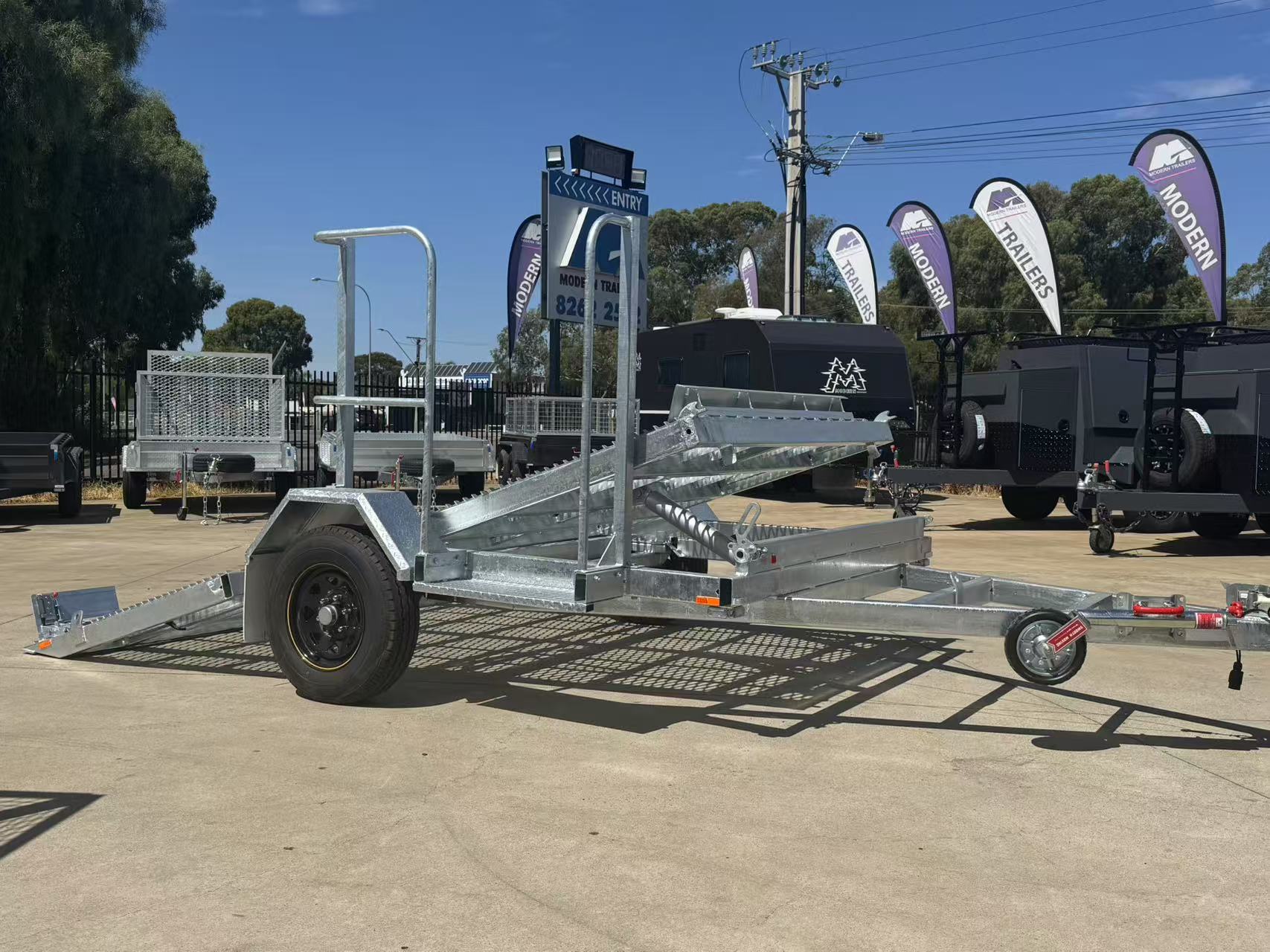
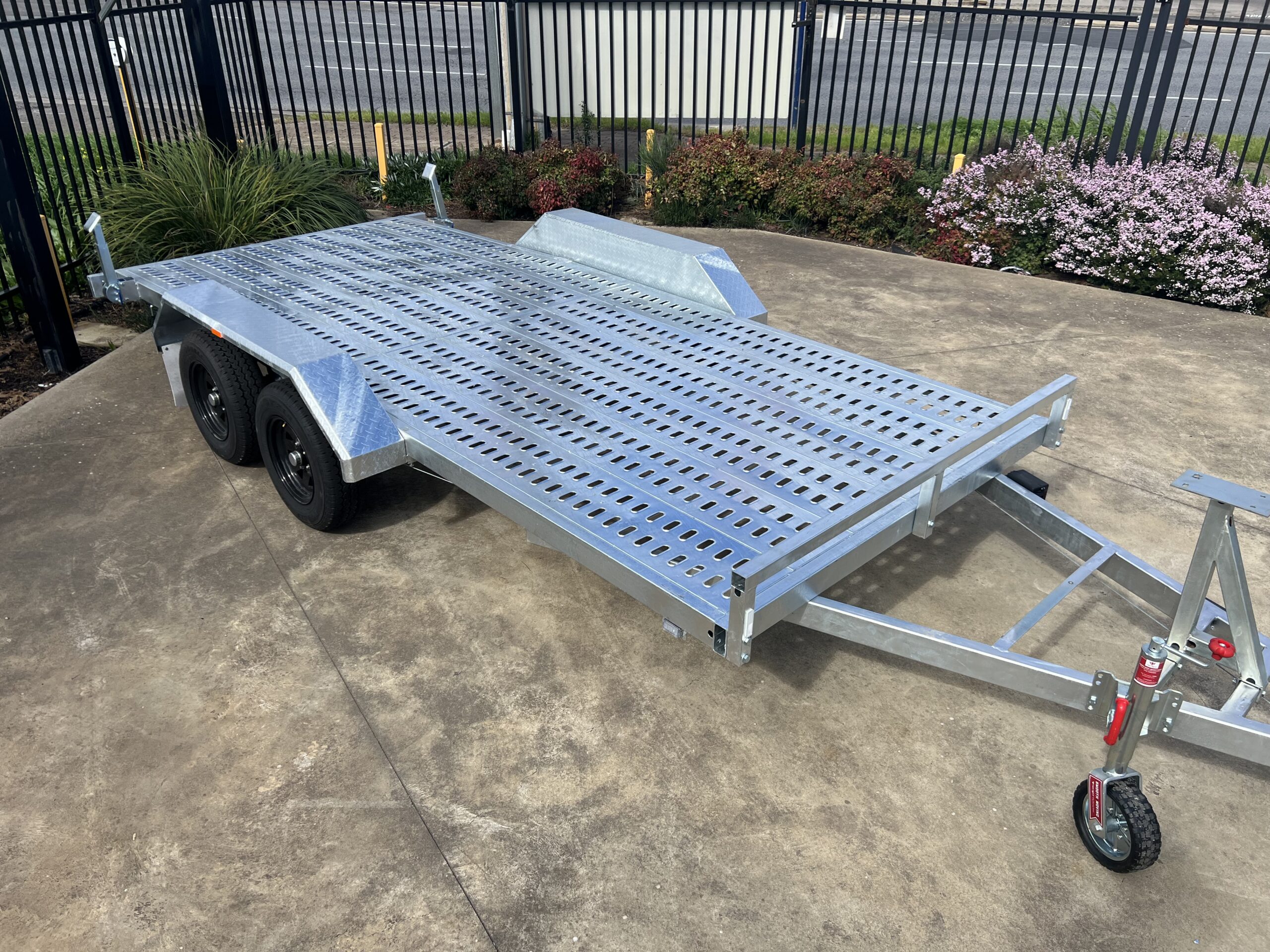
A tilt trailer is a smart solution that skips the hassle of attaching separate ramps. Instead, the trailer bed itself tilts downward, allowing vehicles to be driven or rolled on without any extra equipment. Once loaded, the bed tilts back into place and locks securely. There are two main types:

  • Full-Tilt Decks: The entire deck tilts, perfect for forklifts, cars, or compact tractors.
  • Industrial Tilt Decks: Only the rear tilts, allowing the front to support mounted equipment or tools.

Tilt mechanisms can also be either powered (hydraulic/electric) or gravity-based. Powered tilt trailers are more convenient but cost more; gravity tilt is more affordable, but requires manual effort.

What Are Ramp Trailers?

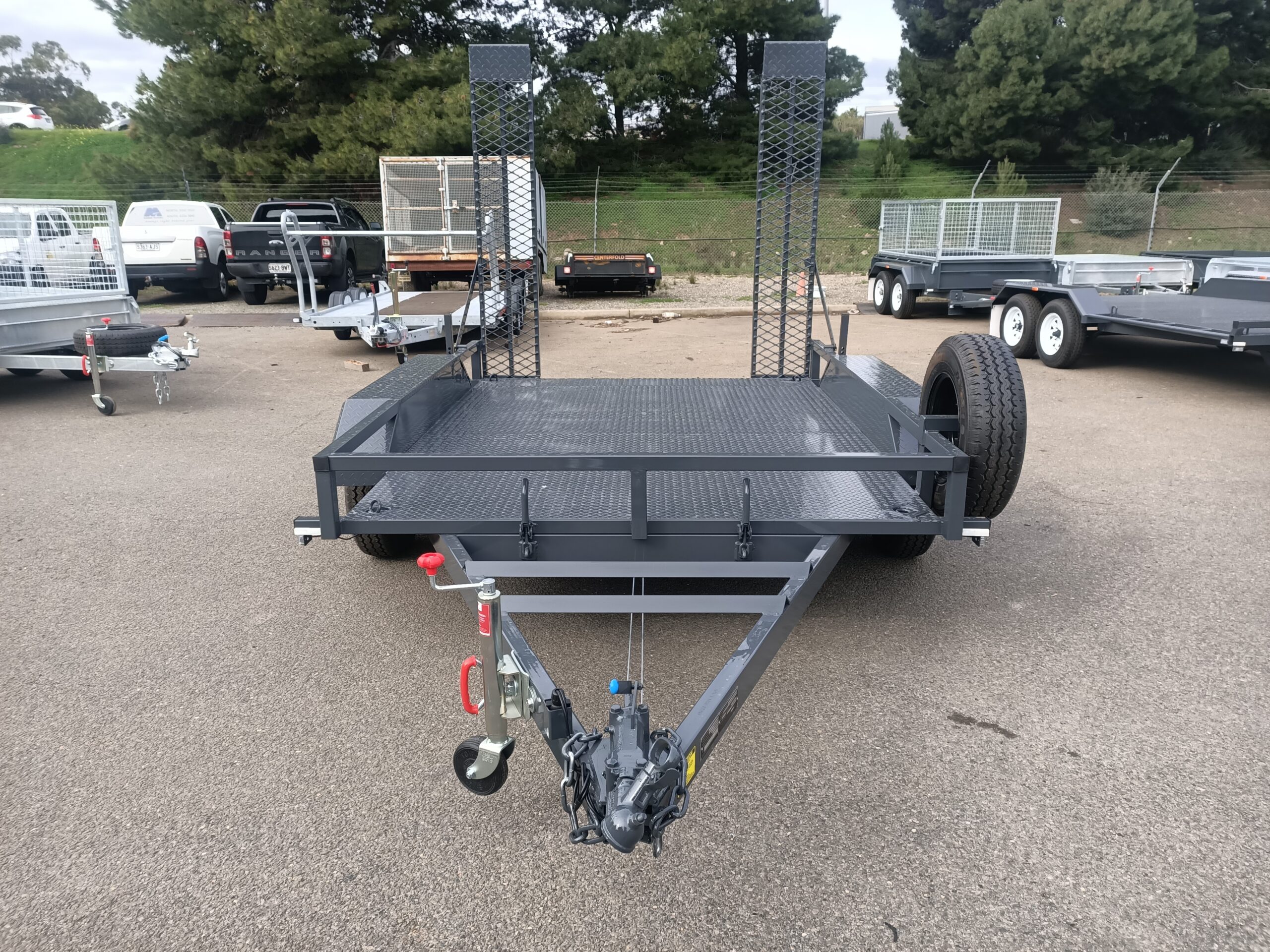
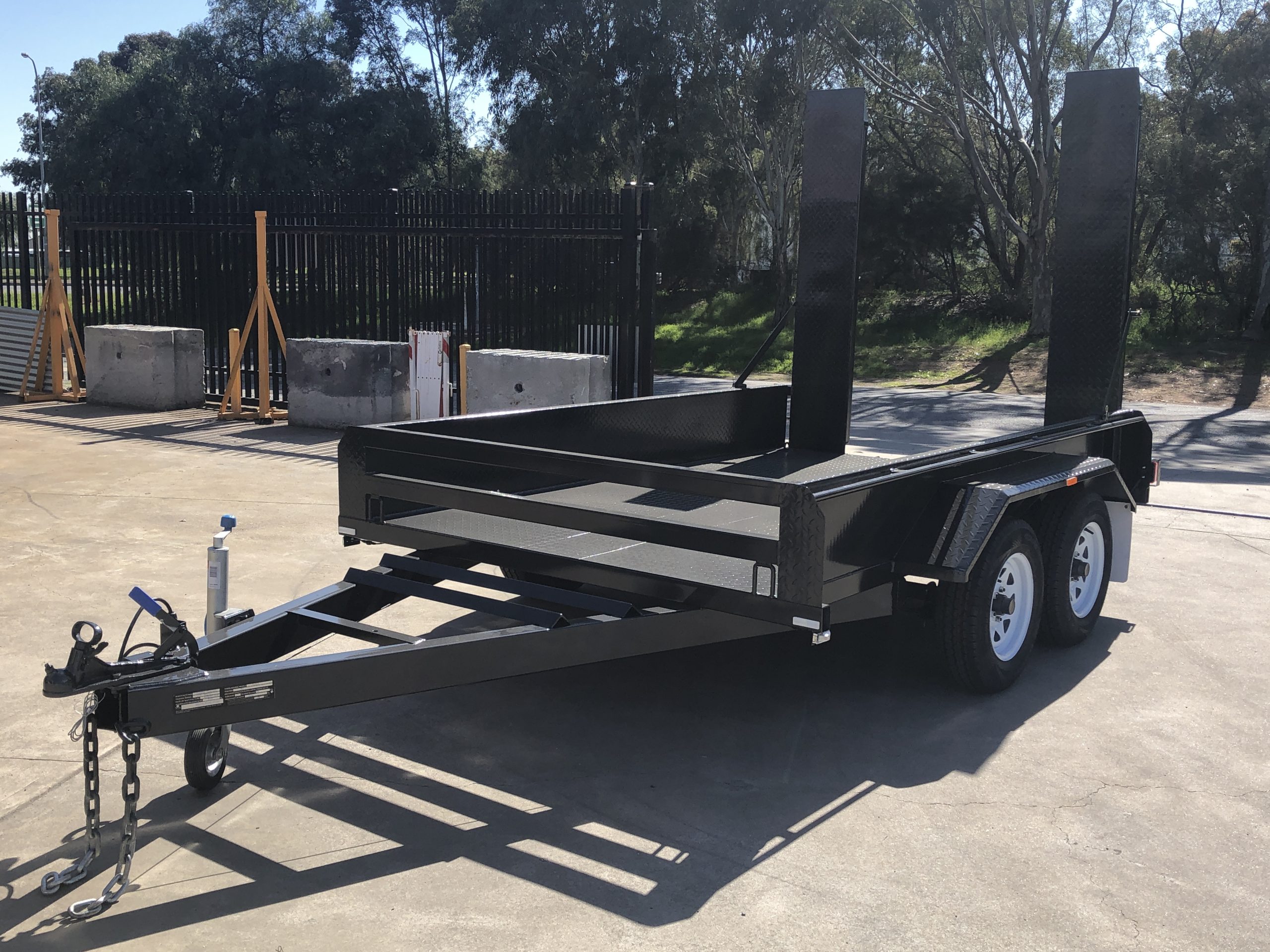
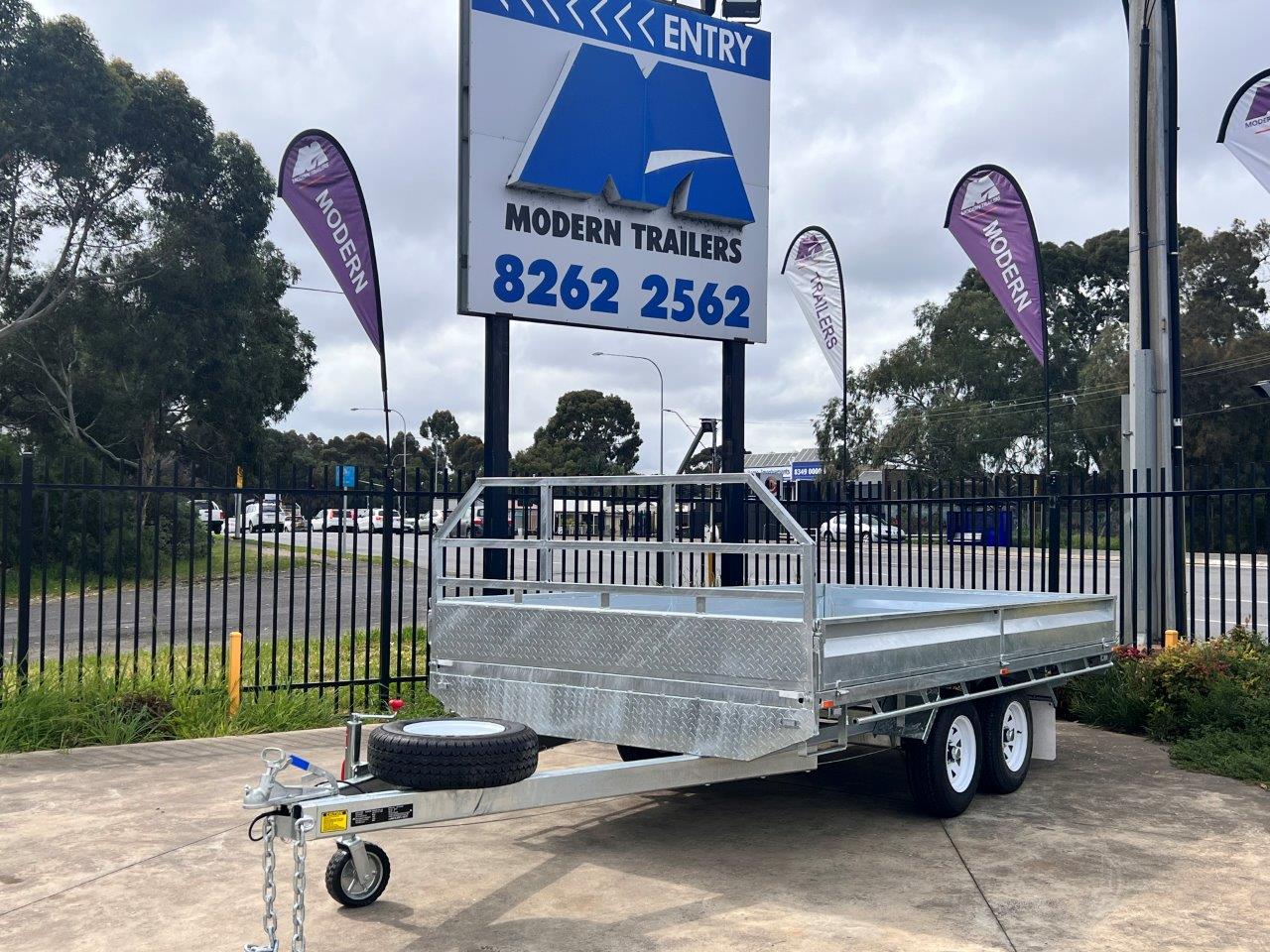
A ramp trailer comes with detachable or foldable metal ramps that you manually attach to load your vehicle. These are common flatbed trailers used for transporting cars, heavy machinery, and other large loads. Once you’re done, the ramps are removed and stored, either under the trailer or in your vehicle.

They may not be fancy, but their simplicity and strength make them a reliable choice, especially for users with heavier loads or tighter budgets.

Tilt Trailers vs. Ramp Trailers: Key Differences

Let’s break down the Tilt Trailers vs. Ramp Trailers debate to help you decide what’s better for your hauling needs.

1. Ease of Loading

  • Tilt Trailers:
    No ramp setup needed. You unlock the bed, tilt it down, and drive right on. The lower loading angle (as little as 8 degrees) is perfect for low-clearance vehicles, reducing the risk of damage.
  • Ramp Trailers:
    Setup can take 5–10 minutes and requires physical effort to lift and attach ramps. The slope is steeper (up to 17 degrees), which might be problematic for sports cars or low vehicles.

2. Space Requirements

  • Tilt Trailers:
    Require only the length of the trailer to load a vehicle — ideal for tight spaces, narrow driveways, or urban jobsites.
  • Ramp Trailers:
    Need an additional 6–8 feet behind the trailer to set up the ramps, which can be a problem in compact environments.

3. Weight Capacity

  • Ramp Trailers:
    Typically offer higher load capacities. Ideal for heavy-duty equipment, tractors, and larger vehicles.
  • Tilt Trailers:
    Commonly better suited for cars, ATVs, mowers, and lighter machinery.

4. Maintenance and Durability

  • Ramp Trailers:
    A simple design with few moving parts means less maintenance. Just keep the hinges and bolts on the ramps in good shape.
  • Tilt Trailers:
    Include hydraulic or mechanical systems that need regular checks and may cost more to repair in the long term.

When Should You Choose a Tilt Trailer?

Go for a tilt trailer if you:

  • Haul sports cars, motorcycles, or other low-clearance vehicles.
  • Need to save time during frequent loading/unloading.
  • Work alone and wants one-person loading capabilities.
  • Have limited space at your worksite or home.
  • Want a smoother, safer loading experience.

At Modern Trailers, our tilt trailers come with user-friendly controls, rugged build, and customisation options — perfect for landscapers, auto haulers, or anyone needing fast and safe loading.

When Should You Choose a Ramp Trailer?

Stick with a ramp trailer if you:

  • Frequently transport heavy machinery or construction equipment.
  • Are looking for a more affordable option.
  • Don’t mind using some muscle to set up and store ramps.
  • Have ample space to work with during loading.
  • Prefer low-maintenance gear with fewer moving parts.

Modern Trailers offers durable, heavy-duty ramp trailers built to handle rough terrain and serious weight, ideal for farms, equipment rentals, and industrial hauling.

What Makes Modern Trailers Different?

Whether you pick a tilt trailer or a ramp trailer, what matters most is the quality of construction, reliability, and support behind your purchase.

At Modern Trailers, we don’t just sell trailers, we build partnerships. Our team listens to your hauling needs and recommends the right fit from our wide inventory. Plus, we offer:

  • Competitive pricing without compromising on quality
  • Flexible financing options for individuals and businesses

When you choose Modern Trailers, you’re choosing peace of mind on every road trip or job site.

Final Thoughts: Which One Should You Haul Away?

Still debating Tilt Trailers vs. Ramp Trailers? Here’s the shortcut:

  • If you value convenience, quick setup, and low-clearance support, go with a tilt.
  • If you need higher weight capacity, affordability, and simplicity, go with a ramp.

At the end of the day, your perfect trailer is the one that fits your routine, your load, and your lifestyle. Don’t settle for guesswork, let Modern Trailers help you choose a trailer that’s built for the long haul.

Contact us

  • This field is for validation purposes and should be left unchanged.