Having the right trailer coupler is crucial to ensure a stable connection between your towing vehicle and trailer, providing control and confidence on the road. Modern Trailers offers a comprehensive selection of trailer couplings and accessories suited for heavy loads. With each product crafted for durability and ease of use, our coupling accessories meet the needs of both personal and commercial applications.
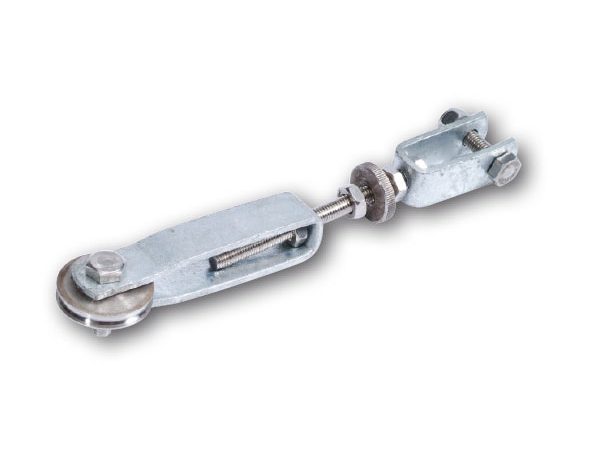
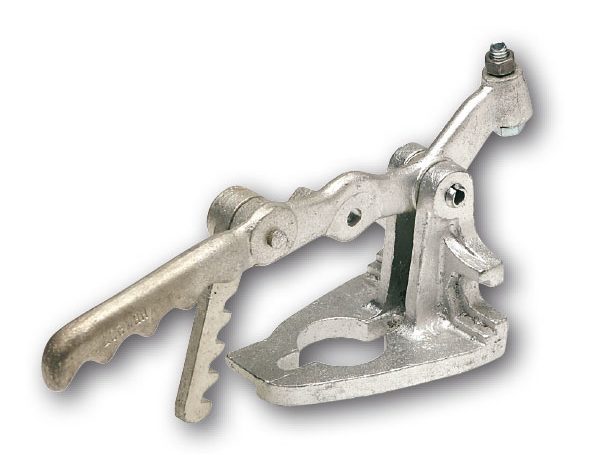
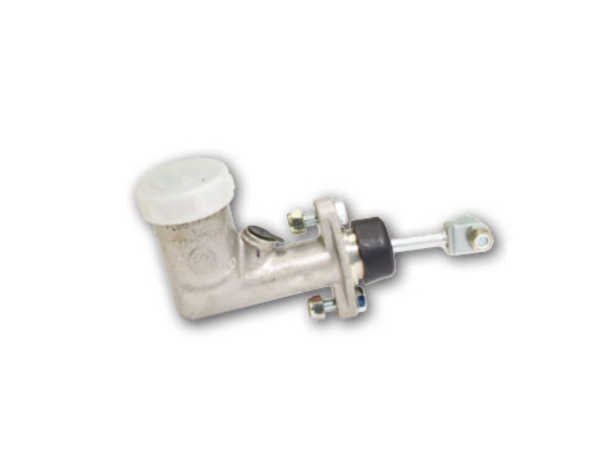
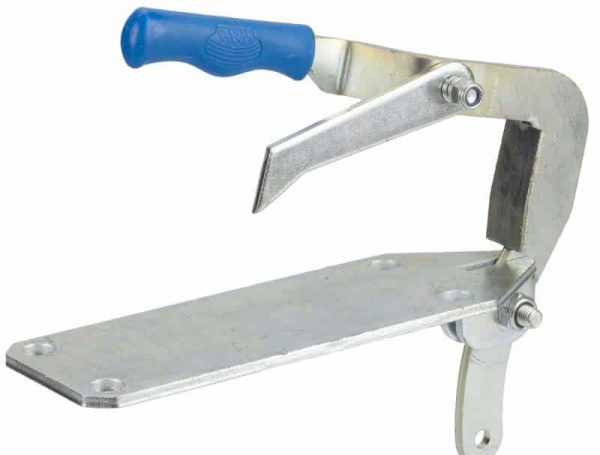
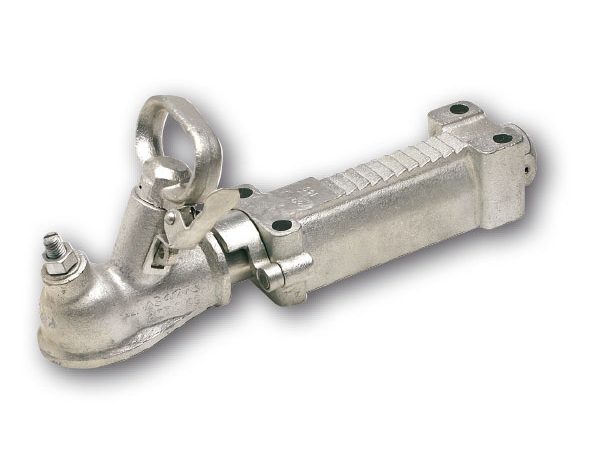
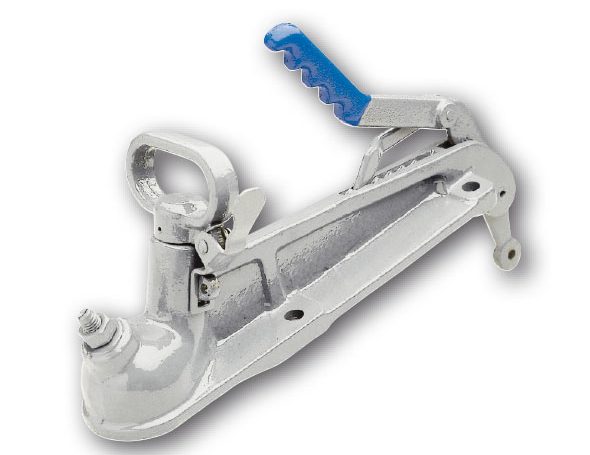
At Modern Trailers, our goal is to ensure that your trailer brakes efficiently when needed and that is why we offer a variety of accessories that will suit your needs from robust options with override to electric braking. Heavy-duty couplers, brake cables, and adjustable screw features add to the ease of connection, giving you flexibility for diverse towing requirements. Each trailer coupler is zinc-plated to resist corrosion, making them ideal for long-term use in any environment. Explore our range of trailer couplings designed for reliable, safe towing.
Understanding trailer coupling safety standards is crucial to ensuring secure and legal towing practices. In Australia, trailer couplers and trailer couplings must comply with the Australian Design Rules (ADR) and AS 4177 standards. These regulations specify critical requirements, including load capacity, ball size compatibility (typically 50mm for light trailers), and locking mechanisms that prevent accidental disconnection.
A properly rated trailer coupling must match or exceed your trailer’s Aggregate Trailer Mass (ATM). The coupler should also be firmly attached with appropriate bolts and mounting hardware that are rated for the trailer’s intended use. Regular inspections for corrosion, cracks, or wear are vital to maintaining compliance.
Safety chains must be used in conjunction with the coupling and attached to designated points, not the tow ball or hitch. If the trailer is braked, the coupler must work with the braking system.
Ensuring your trailer coupler meets current safety standards helps reduce the risk of mechanical failure and improves road safety for you and others. Always verify that any modifications or retrofits meet compliance requirements before towing.
Maintaining your trailer coupling is essential for both safety and longevity. A worn or damaged trailer coupler can lead to unsafe towing conditions, increasing the risk of disconnection, poor handling, or equipment failure. Regular maintenance helps identify issues before they become serious.
Here’s a reliable coupling maintenance checklist:
Perform these checks before each trip and schedule deeper inspections seasonally or after long journeys. By maintaining your trailer coupling, you protect both your equipment and your safety on the road.
The right trailer coupler size depends on the diameter of your tow ball and your trailer's Gross Trailer Weight (GTW). Standard sizes include 1-7/8", 2", and 2-5/16". Check your trailer’s compliance plate or manufacturer specs to choose a coupler that matches both the ball size and load capacity.
No, trailer couplers vary by type, size, and application. They can be straight tongue, A-frame, gooseneck, or pintle-style. Load rating and ball size also differ. Choosing the correct trailer coupling depends on your trailer's design, weight, and how it's intended to be towed.
Fixed trailer couplers remain rigid and rely solely on the tow vehicle’s braking system. Override couplers, however, include an integrated braking feature that engages when the trailer pushes forward, typically used on lighter trailers in Australia without electric brakes.
Yes, many lockable trailer couplings are available as aftermarket upgrades. Ensure the new coupling matches your trailer's mounting pattern, weight rating, and ball size. Proper installation and alignment are essential. The retrofit must also meet ADR standards to remain road-legal in Australia.
The standard trailer coupling in Australia for light-duty trailers is a 50mm ball coupler that complies with AS 4177 and ADR 62. This type is widely used for utility trailers, caravans, and box trailers. Heavier commercial trailers may require pintle or ring-type couplings.