Selecting the ideal axle for your trailer is more than a matter of preference. It is about optimising durability, stability, and comfort during transit. The debate between solid axles with springs and rubber torsion axles is longstanding, each bringing its unique set of advantages to the table.
Whether you are hauling commercial goods, delicate items, or anything in between, understanding the nuances of these axle types is crucial.
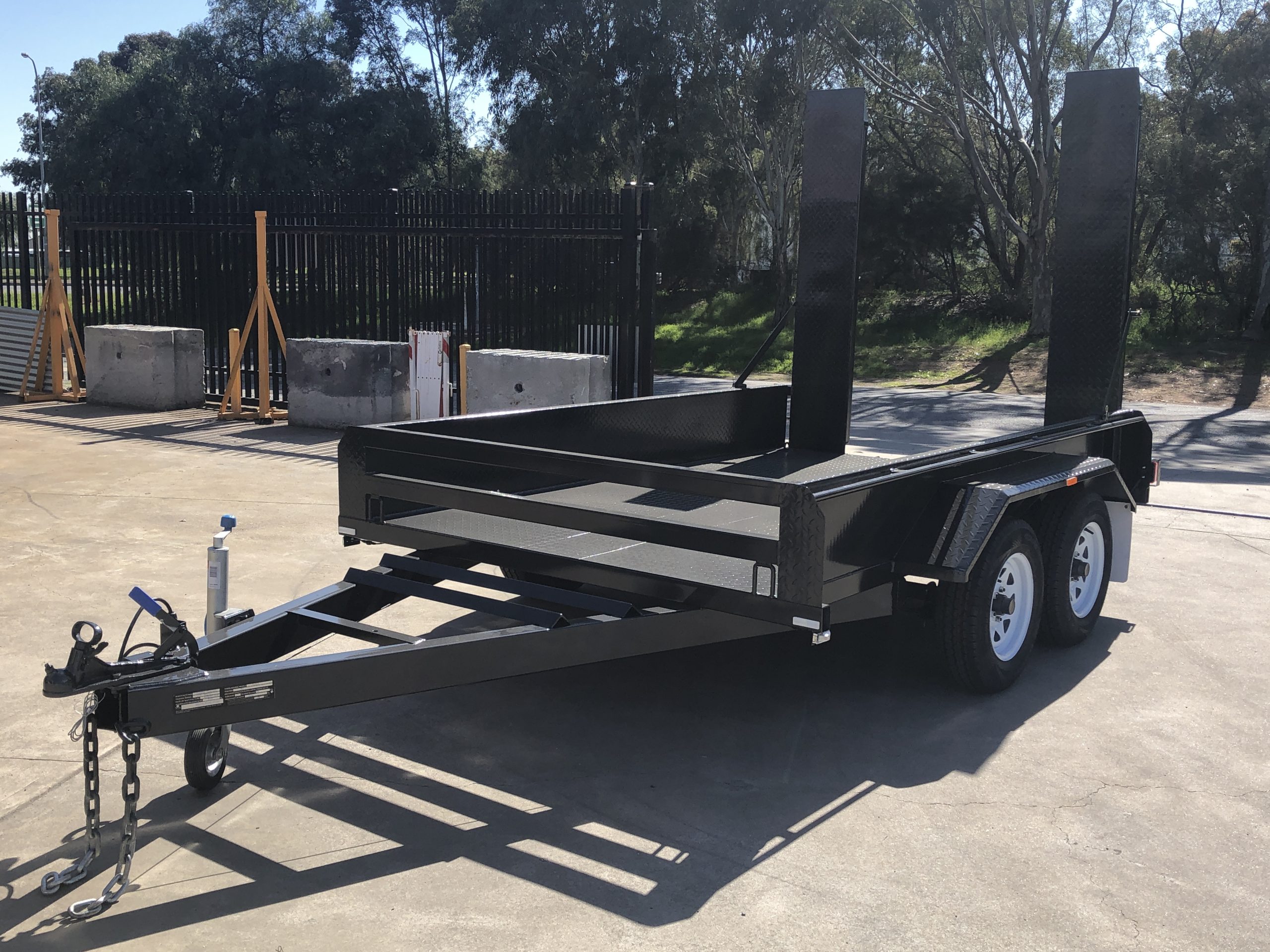
Solid axles with springs and stalwarts of trailer suspension feature a robust metal bar across the trailer, supported by leaf springs. This classic setup has powered through decades, supporting everything from light personal hauls to the heaviest commercial loads.
Solid axles with springs stand out for several compelling reasons, particularly in demanding environments. Here’s why they excel:
While solid axles with springs are reliable, there are areas where they could improve, particularly in ride quality and maintenance.
Rubber torsion axles take a modern twist on suspension. They offer a gentler ride by housing a rubber compound within a square tube that twists to absorb shocks, ensuring that your trailer and its cargo arrive in top shape.
Discover the advantages of advanced trailer suspension systems for ultimate performance and reliability on the road. Here’s what sets them apart:
When selecting trailer axles, carefully weighing the pros and cons is essential. Here are some key considerations:
Consider what you intend to carry while picking the right axle for your trailer. Solid axles are very helpful while hauling heavy stuff. They are rigid and can handle the load. If you need a smooth ride, especially for fragile items, go with rubber torsion axles. They are more accessible on your cargo because they soak up the bumps better.
In financial terms, solid axles are easier on your wallet when you buy them and when it comes to fixing them up. They are straightforward and cheaper to maintain. On the flip side, rubber torsion axles cost more upfront, but they are worth it if you want a smoother trip for your goods.
Also, consider where you will be driving. If you’re hitting rough trails or bumpy roads, rubber torsion axles can give you a steadier ride, keeping things stable. Solid axles are reliable and built for the job if you’re primarily on smooth highways and carrying heavy loads.
In short, your choice depends on what you’re carrying, how much you want to spend, and where you’re going. Pick the best fits your needs. You will be set for the road ahead.
The road to choosing the right axle is paved with load, budget, and terrain considerations. Whether your journey leans towards the rugged reliability of solid axles with springs or the smooth sailing offered by rubber torsion axles, understanding their strengths and limitations is critical.
By reflecting on your specific requirements, from the nature of your cargo to the paths you’ll traverse, you can align your choice with your needs, ensuring a harmonious journey for you and your trailer. Remember, the best option is one that fulfils your present needs while anticipating future demands, securing a smooth ride ahead in every sense.
Torsion axles offer distinct advantages over traditional spring axles. They provide a smoother ride, improved stability, and better shock absorption. Torsion axles also have fewer moving parts, reducing maintenance and wear. However, the choice between torsion axles and springs depends on specific towing needs and preferences.
Rubber torsion axles tend to be more expensive than solid axles due to their advanced design and manufacturing process. The integrated rubber suspension system in torsion axles offers superior ride quality and durability, making them a preferred choice for many trailer applications despite the higher initial cost.
For heavy-duty hauling, solid axles with leaf springs are often preferred. They provide robust support and can handle higher weight capacities compared to rubber torsion axles. Solid axles are suitable for demanding conditions and rugged terrains where durability and load-bearing capacity are critical factors.
Yes, rubber torsion axles generally offer better ride quality compared to solid axles with springs. The rubber suspension system absorbs road vibrations and shocks more effectively, resulting in a smoother and quieter towing experience. This makes rubber torsion axles ideal for transporting delicate cargo or for long-distance travel.
Solid axles with leaf springs are well-suited for off-road or rugged terrain. Their robust construction and ability to handle heavy loads make them reliable for challenging conditions. Leaf springs provide ample suspension travel and can withstand impacts and uneven surfaces encountered off-road, ensuring stability and control.
Rubber torsion axles require less maintenance compared to solid axles with springs. They have fewer moving parts and do not require lubrication or periodic adjustments. This simplicity reduces maintenance costs and time spent on upkeep, making rubber torsion axles a convenient choice for many trailer owners.