When it comes to transporting vehicles safely, car trailers play a crucial role – whether you’re a motorsport enthusiast, a dealer, or just someone who wants to tow a car across states. Choosing the right trailer ensures smooth, secure, and stress-free transit. But with so many car trailer types available, how do you pick the perfect one?
At Modern Trailers, we simplify this decision by offering a wide variety of high-quality trailers designed to suit different transport needs and budgets. From compact single-axle trailers to heavy-duty tandem setups and enclosed options, our range covers it all.
In this blog, we’ll walk you through the different car trailer types, their uses, features, and how to make the right choice.
A car trailer is a non-powered vehicle designed to be towed behind another vehicle, usually for the purpose of transporting cars, bikes, or equipment. Depending on your specific needs, trailers can vary in build, capacity, and loading style. They offer a practical solution for commercial transporters, hobbyists, and off-road adventurers alike.
Before getting into the various car trailers types, it’s important to understand why selecting the right trailer is essential:
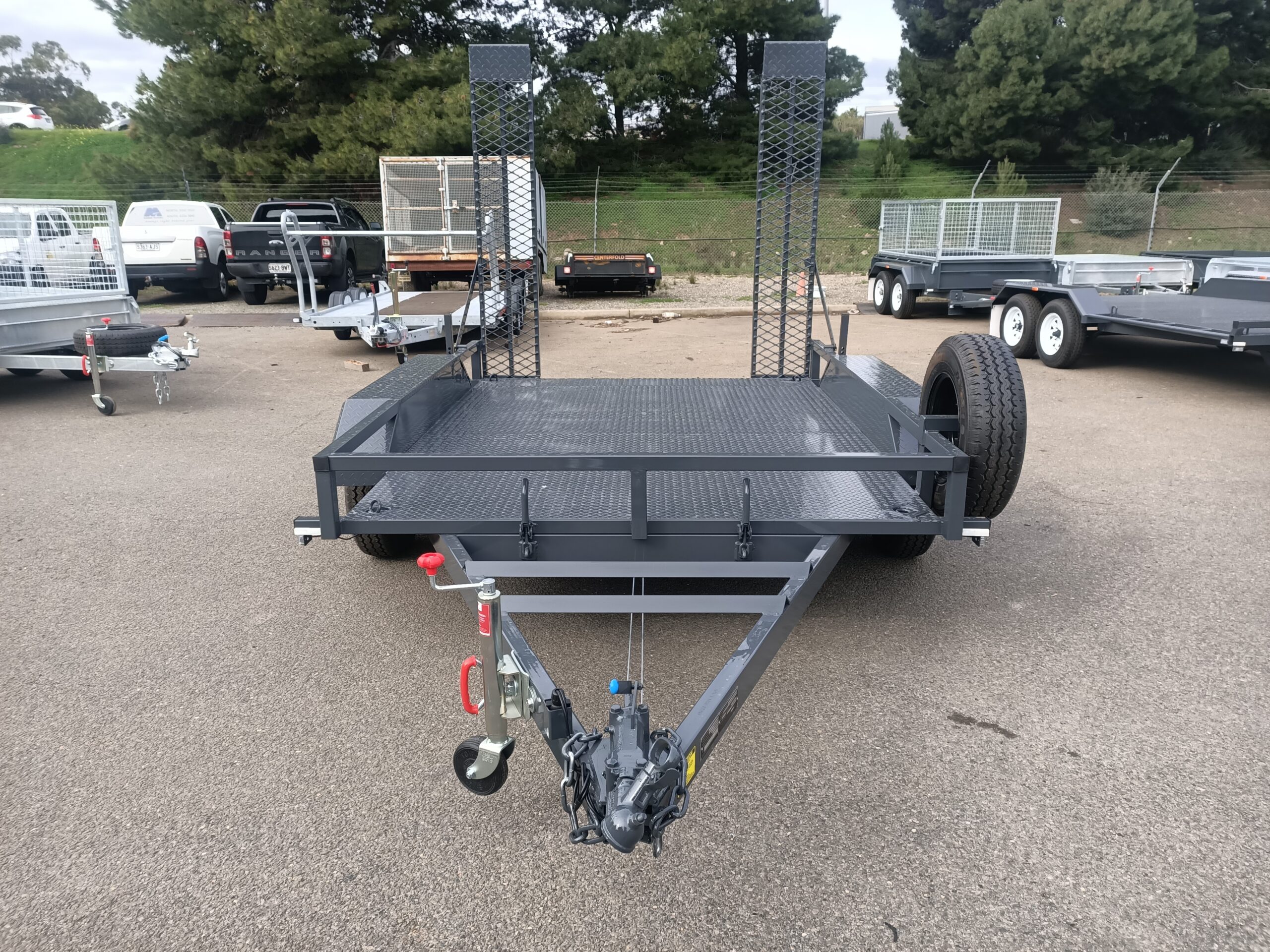
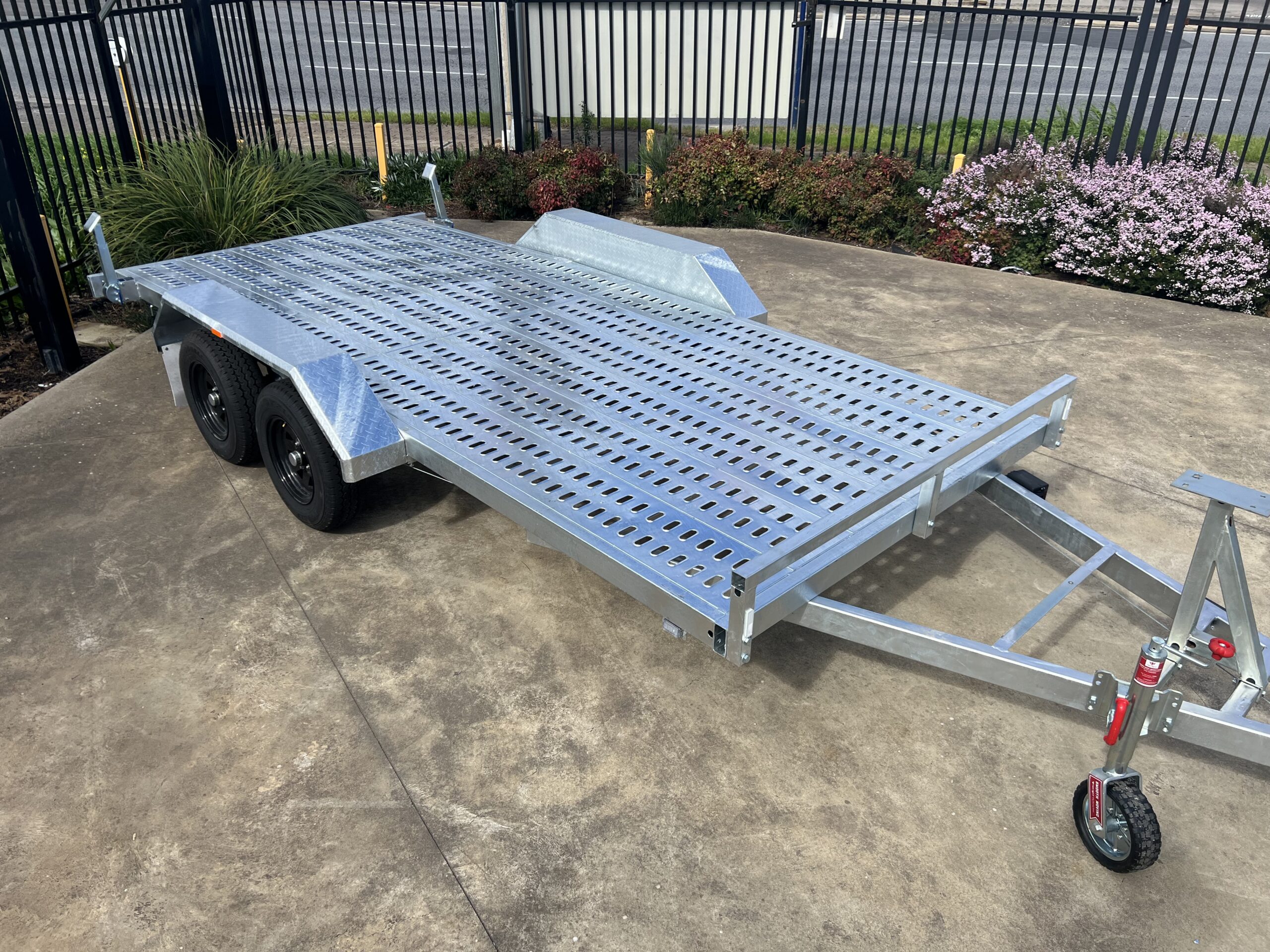
These are the most common and cost-effective car trailer types available. Open trailers expose the vehicle during transport but are lightweight and easy to manoeuvre.
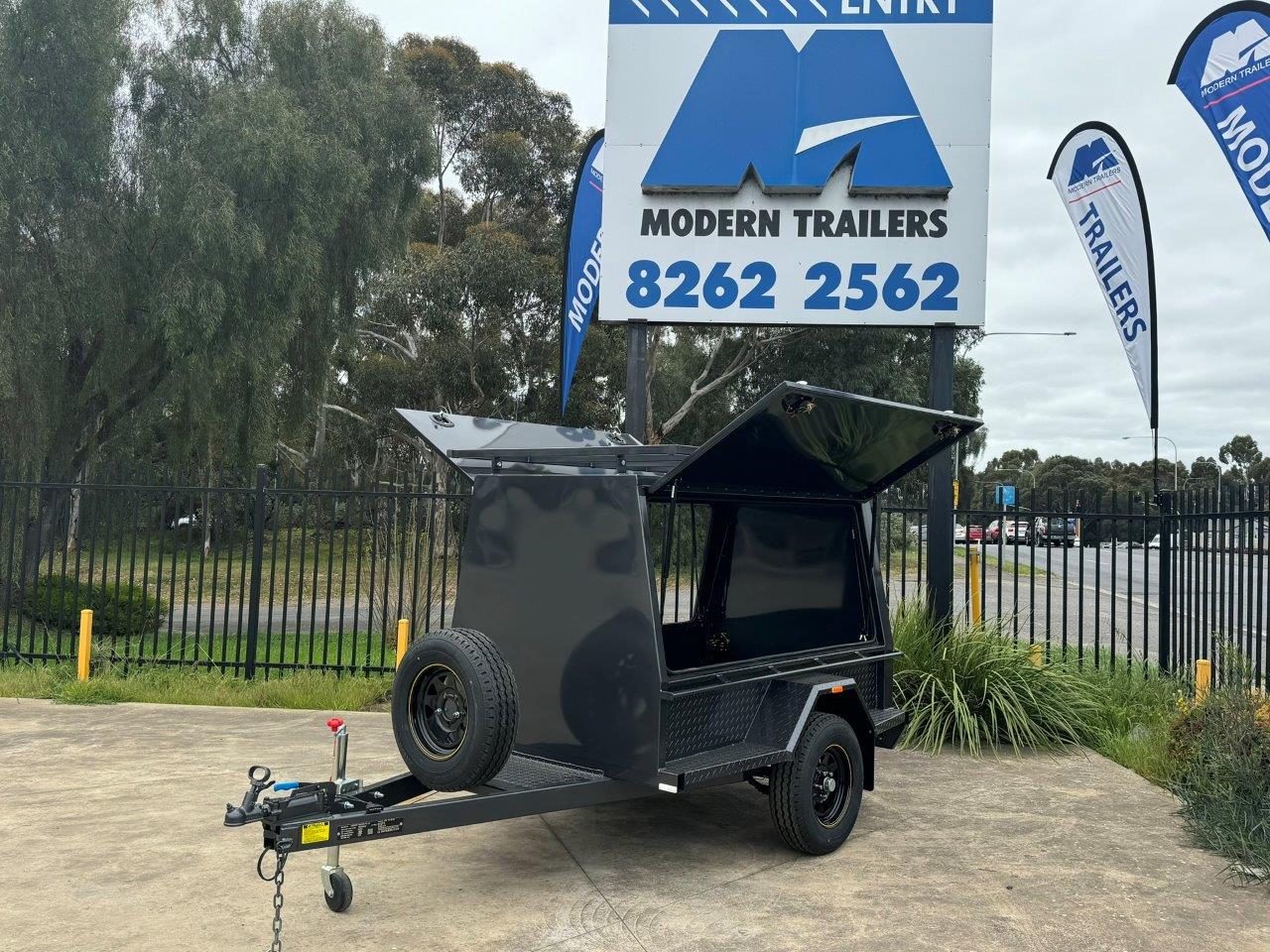
These trailers come with a covered structure, offering full protection against weather, dust, and theft. They are preferred for transporting luxury, vintage, or race cars.
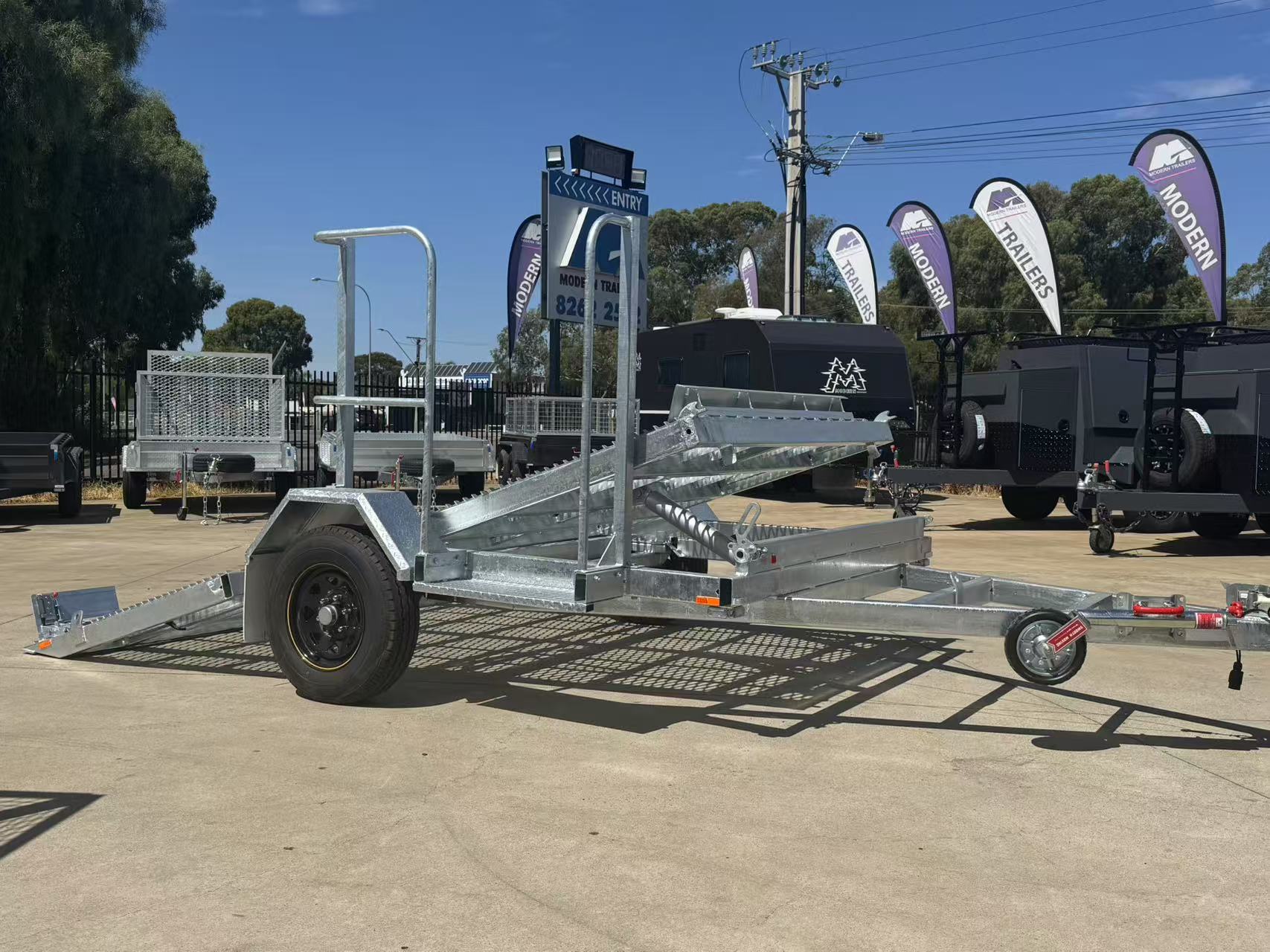
Tilt trailers eliminate the need for separate loading ramps. The bed of the trailer tilts down, allowing for easy drive-on/drive-off access, especially useful for low-clearance vehicles.
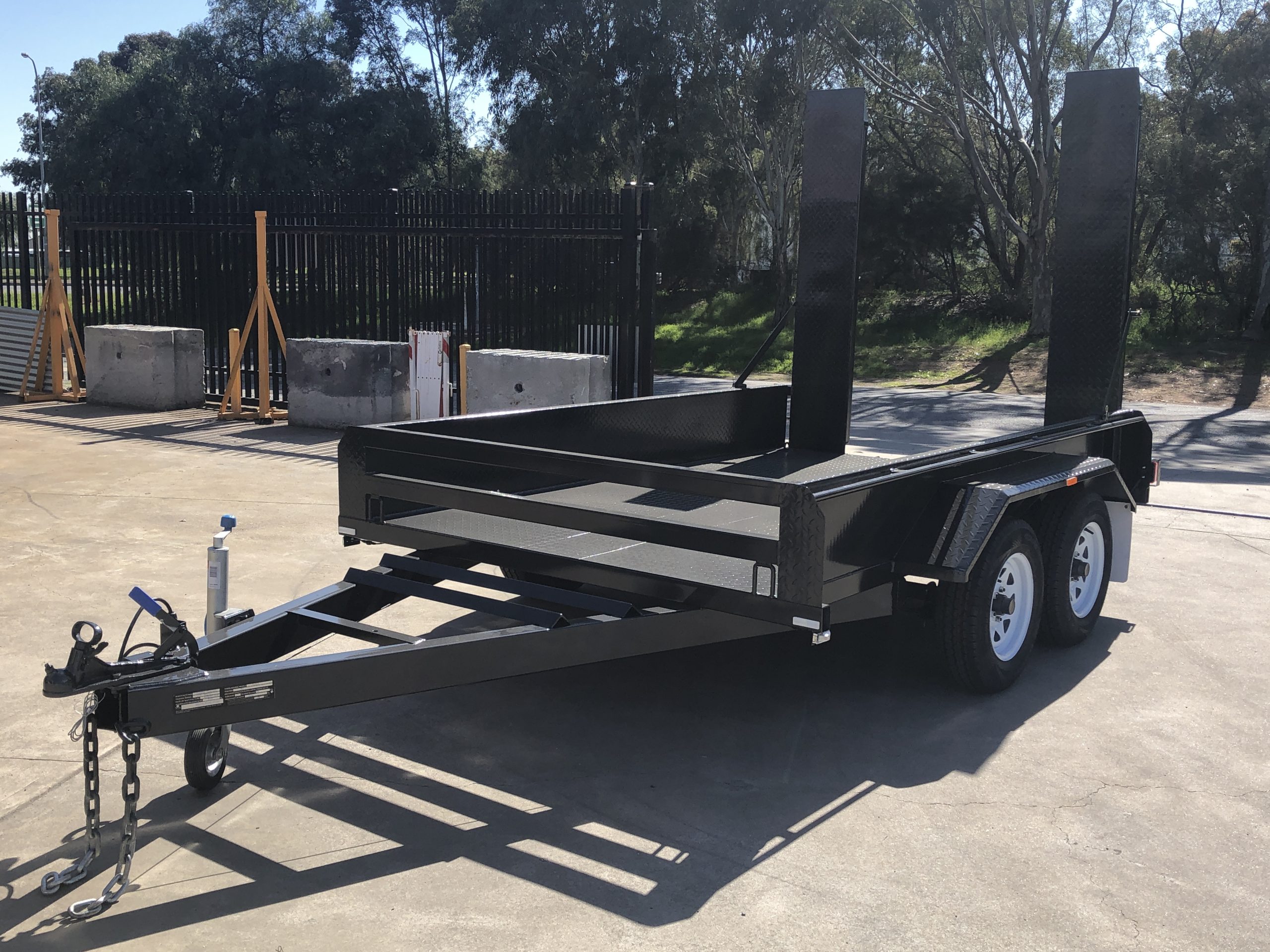
Equipped with two axles, tandem trailers are ideal for hauling heavier loads with increased stability and control. These are popular in commercial and long-distance applications.
Designed for rugged terrain, these trailers are equipped with reinforced chassis, ITS suspension, and durable components built to withstand off-road conditions.
These car trailer types are made for motorbike transport and feature built-in rail systems for easy and secure loading.
Top Choices:
While not your standard car trailer, hydraulic tipper trailers can double as equipment or vehicle transporters, especially for off-road and industrial applications.
Find at Modern Trailers:
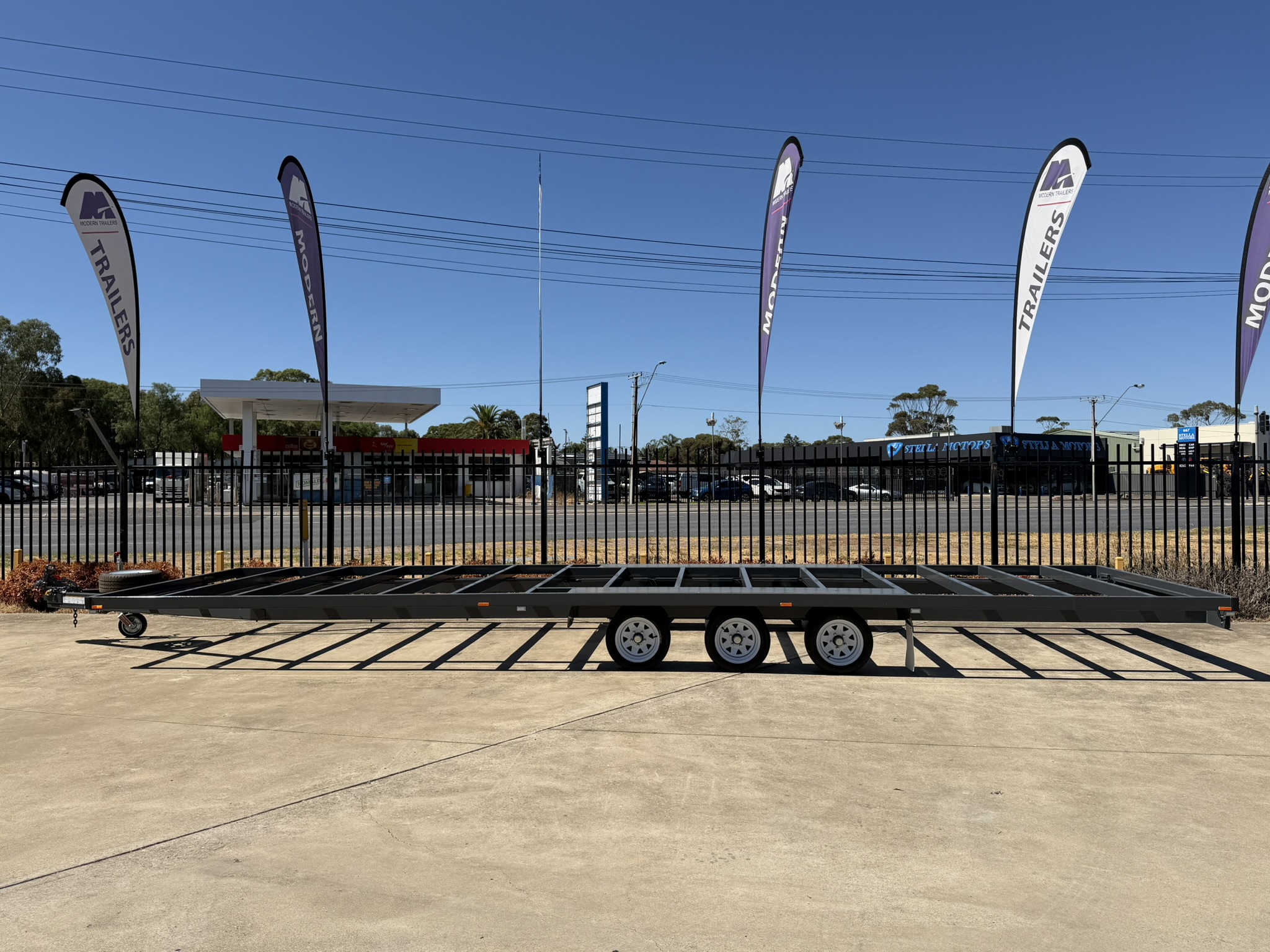
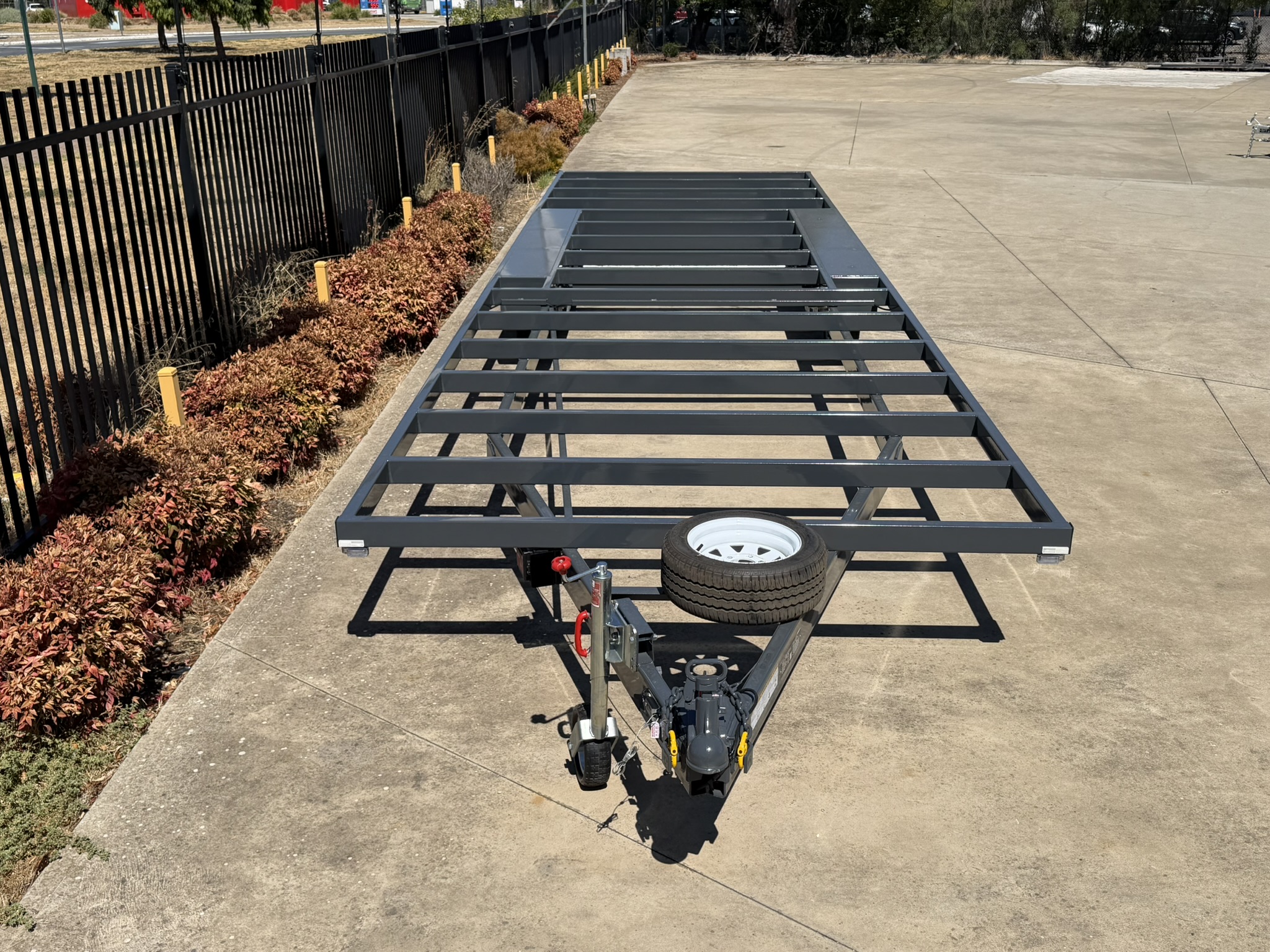
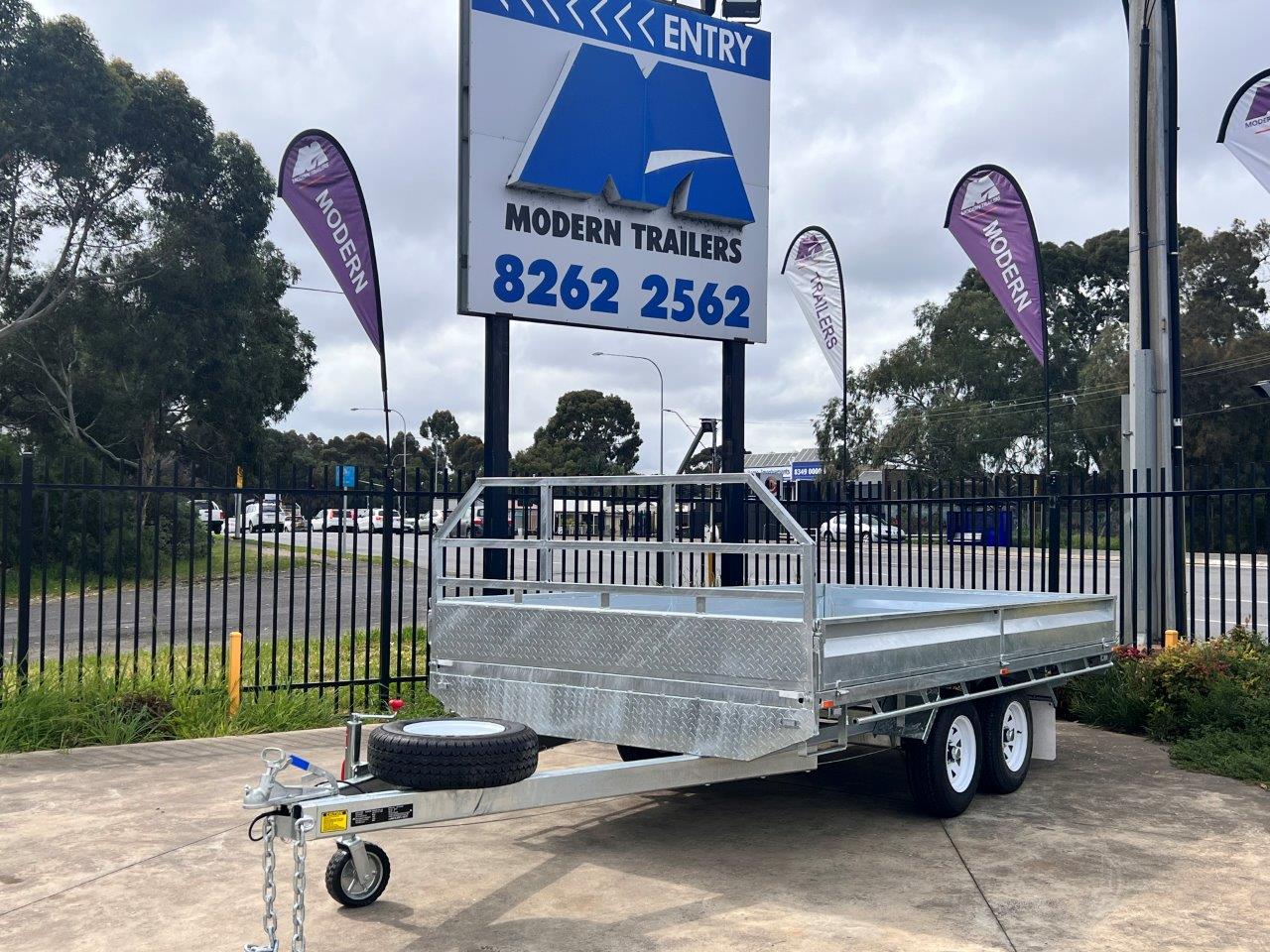
These are long, flatbed trailers designed for full-size vehicles. Whether you’re moving one car or multiple, these trailers offer versatility and visibility.
Modern Trailers Recommends:
Regardless of which car trailer type you choose, keep an eye on these essential features:
Look for the ITS Suspension for smoother towing on uneven roads. It’s ideal for Australian terrain and reduces wear and tear.
Galvanised steel offers rust resistance and durability—perfect for longevity, especially when exposed to rain or salty conditions.
Opt for electric brakes in tandem trailers and heavier models. For single-axle trailers, mechanical brakes may be enough.
Some trailers come with optional cages or tube inserts for better cargo protection and organisation.
Choosing from various car trailer types doesn’t have to be overwhelming. Once you assess your transport needs, vehicle size, terrain type, and safety preferences, finding the ideal trailer becomes easy, especially with the trusted selection at Modern Trailers.
Whether you need a basic open trailer, a rugged off-road model, or a premium enclosed solution, you’ll find exactly what you need to hit the road with confidence.