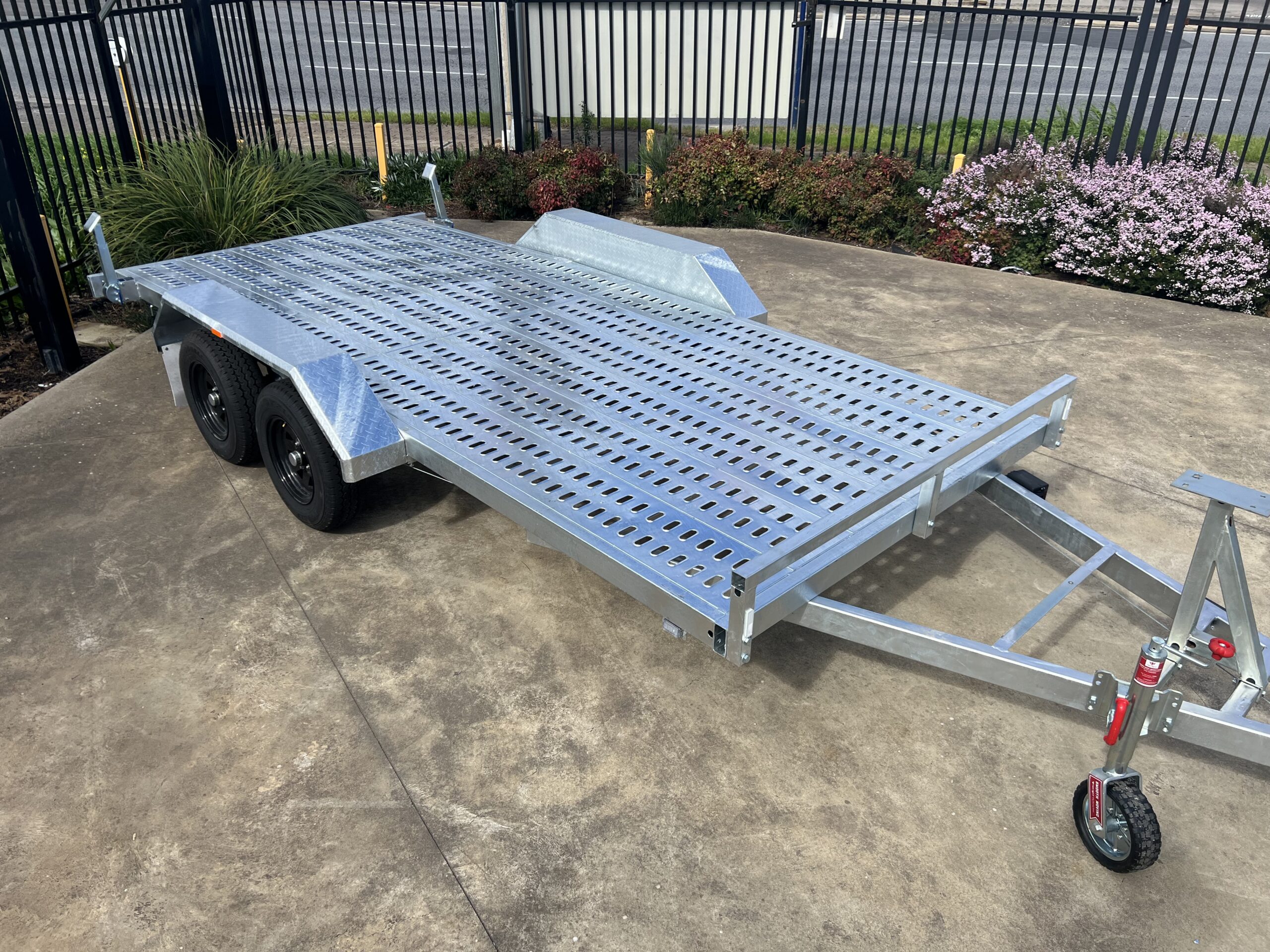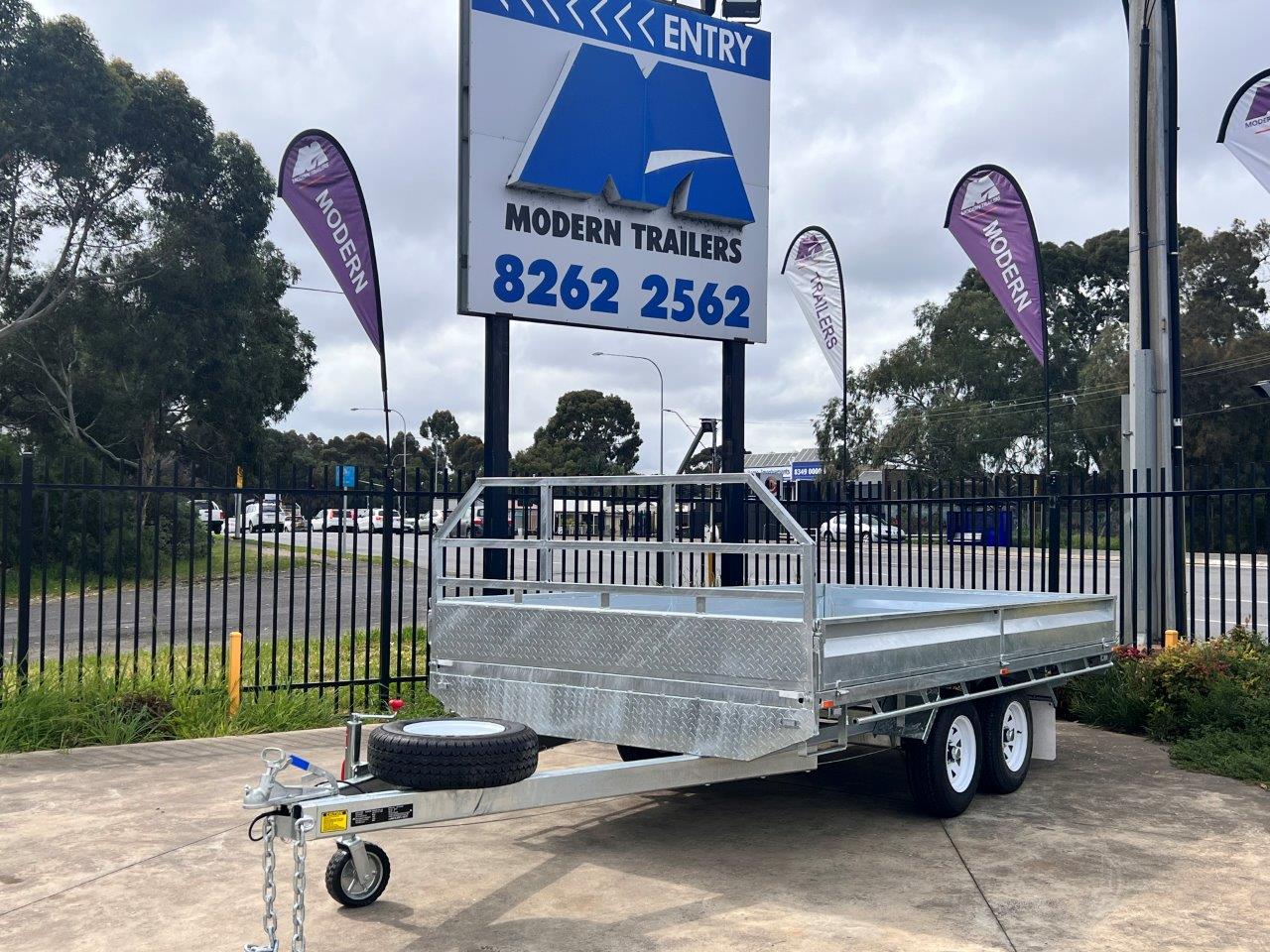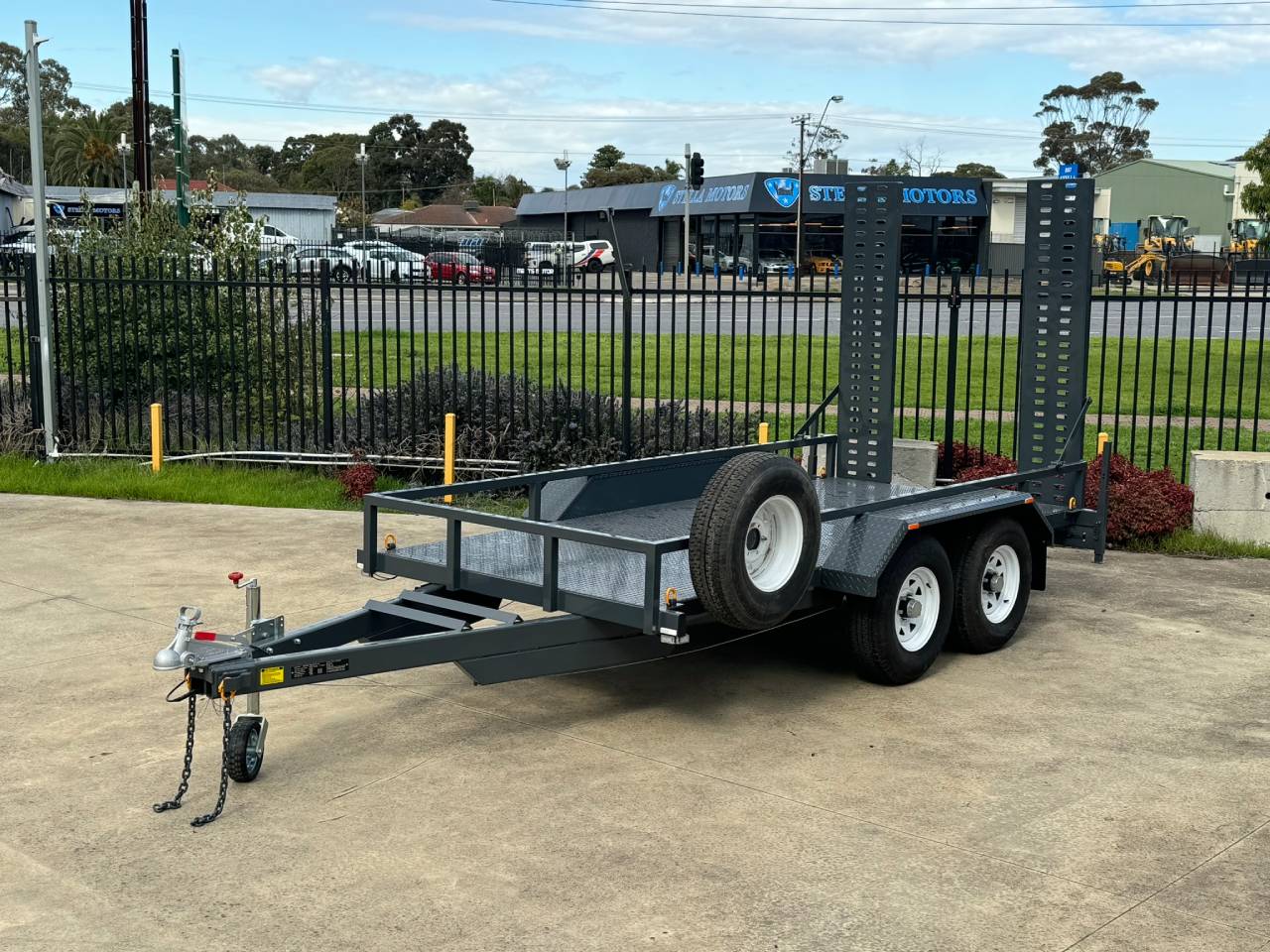
Selecting the right trailer coupler type can be confusing, especially with the many available options. Whether you tow a heavy-duty trailer for work or a small utility trailer for weekend trips, having the right coupler ensures safety and stability. A secure connection between your tow vehicle and trailer is not just necessary; it’s essential to your safety and compliance.
In this article, we will explain the different trailer coupler types to help you make an informed choice – but remember to consult a professional to ensure you select the right one.
A coupler connects the trailer tongue to the tow vehicle’s hitch ball. Selecting the wrong type can lead to instability, safety risks, and non-compliance with towing regulations. A correctly matched, high-quality coupler guarantees consistent hitch engagement and optimises overall towing performance.
When selecting different trailer coupler types, consider the following key aspects:
Modern Trailers provide different types of trailer couplers, each designed for specific towing needs. Here’s an overview of the most common options:
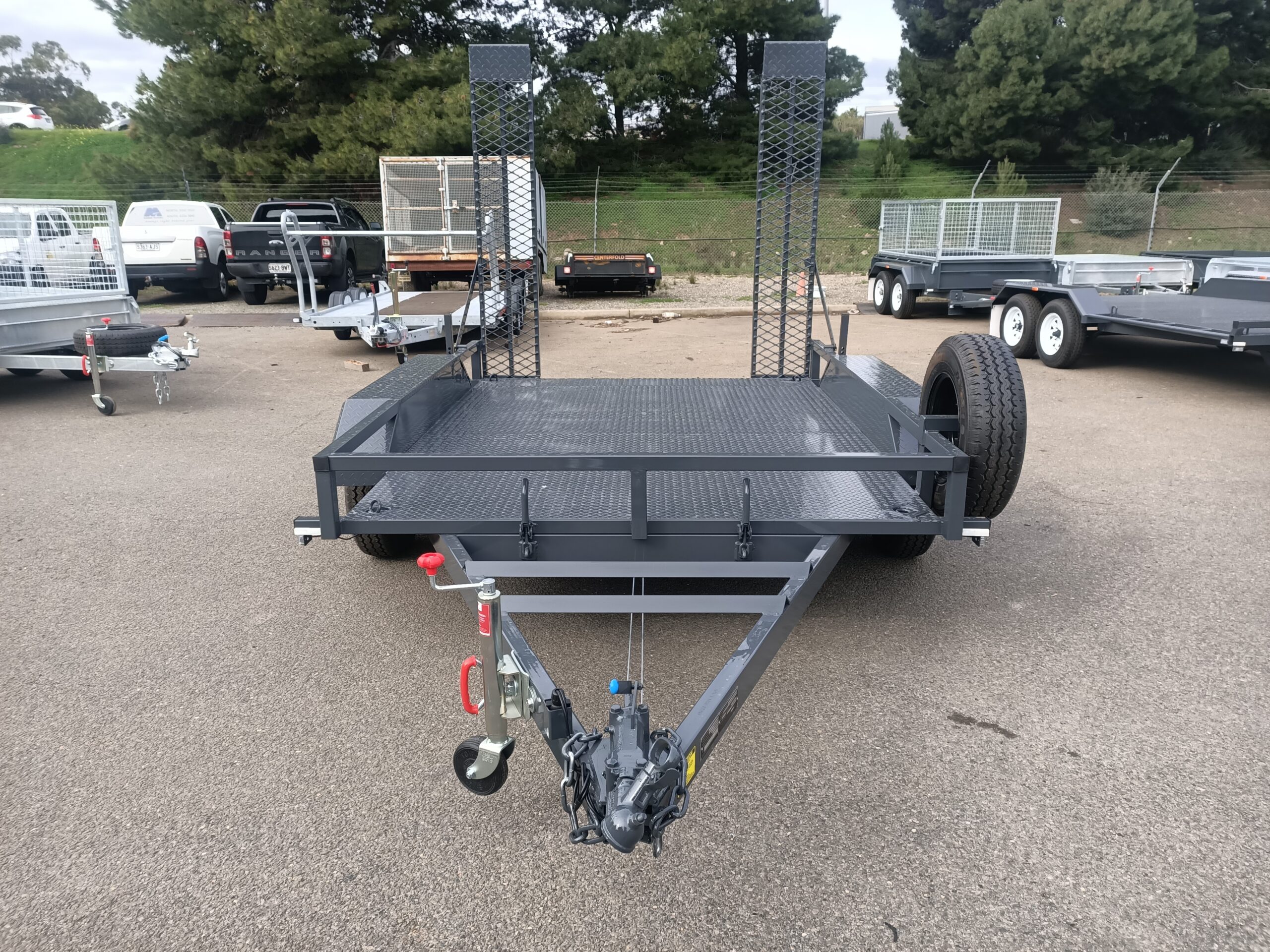
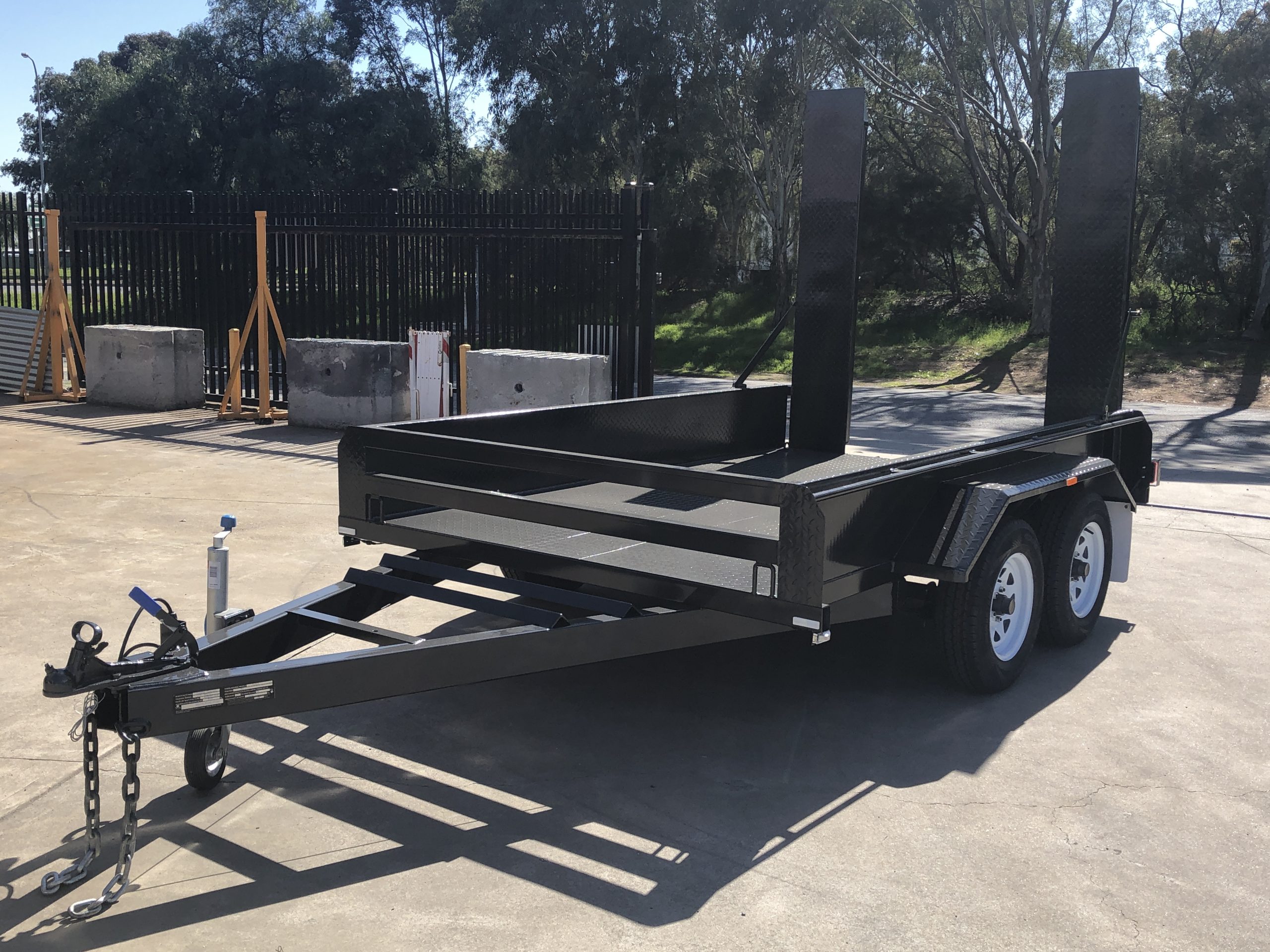
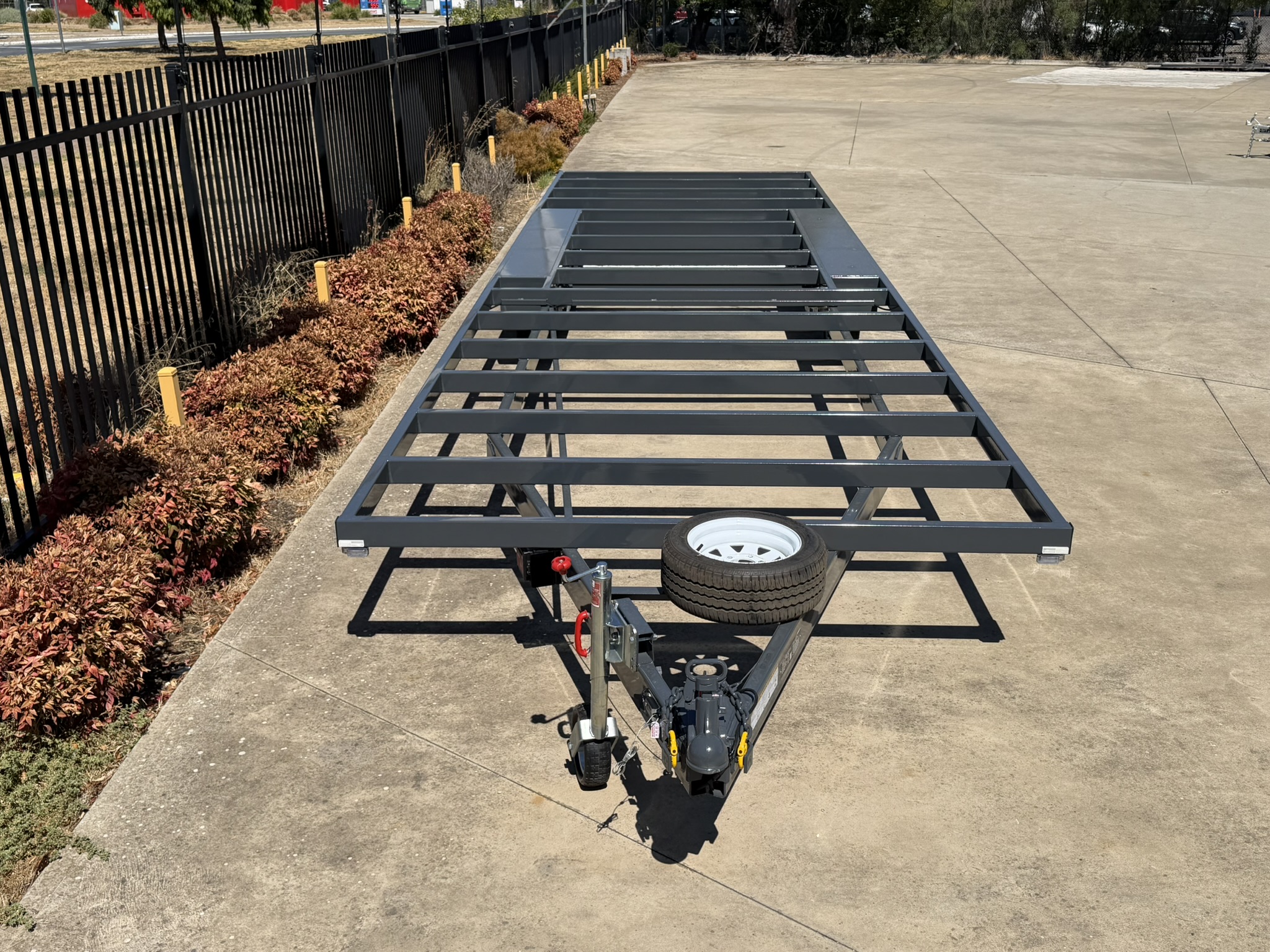
A-frame couplers are widely used on utility and travel trailers with an A-shaped tongue. They offer superior stability and are typically welded or bolted for secure installation.
Straight-tongue couplers are easy to install and feature a quick latch mechanism for fast attachment and detachment, making them perfect for smaller trailers like boats or cargo trailers.
If you tow different trailers regularly, an adjustable coupler offers flexibility by allowing height adjustments to match various hitch ball sizes. This makes it a versatile option for multi-purpose towing.
Gooseneck couplers are designed for larger trailers and connect to a hitch ball mounted in the truck bed. They provide improved weight distribution and stability, making them ideal for commercial and agricultural use.
Used for heavy-duty towing, pintle hitches provide extra articulation, making them well-suited for off-road or rugged terrain applications. These are commonly used in military and construction settings.
Selecting the right trailer coupler type requires careful consideration of various factors. Here are key aspects to evaluate:
By understanding the different coupling options, you can select the right one for your specific needs, ensuring safety and efficiency when towing with a Modern Trailers setup.
Regular maintenance is key to ensuring your coupler remains in good condition. At Modern Trailers, we recommend the following upkeep tips to keep your trailer investment in top shape:
Modern Trailers offers high-quality components, including durable and reliable trailer coupler types, to suit a wide range of towing needs. We have the right solution whether you need a standard A-frame coupler or a heavy-duty pintle hitch.
Choosing the right trailer coupler type ensures a secure and efficient towing experience. With various options available, understanding their features and suitability for different trailers can help you make an informed decision. Prioritising compatibility, durability, and safety will lead to a more reliable and stress-free towing journey.
Contact us if you need more information or help choosing the right coupler.