Choosing the right trailer isn’t just about picking one off the lot. It’s about knowing what you’ll carry, where you’re headed, and the best way to get there. Whether you’re moving homes, hauling equipment for your new business, or simply taking your garden gear for a cleanup, the right trailer makes all the difference.
This guide breaks down trailer sizes and their uses, helping you match your choice perfectly to your needs. From compact trailers ideal for light loads to large rigs designed for heavy-duty hauling, we help you understand the options and find the perfect fit for your towing tasks.
When we talk about trailer sizes, it is about length and width, often in feet. What you plan to haul is the key here; are you moving a big pile of boxes, a crate of furniture, or just some gardening tools? Consider the weight of your load, how bulky it is, and what your vehicle can handle.
Choosing the right size means you’re not wasting fuel or space. It is about being smart and efficient.
Choosing the right trailer for your specific needs streamlines your tasks and ensures efficiency and safety in your hauling tasks. Here’s a quick rundown on picking the right trailer for the job.
Now that you know the different types of trailers, the next step is understanding the factors that influence trailer size selection.
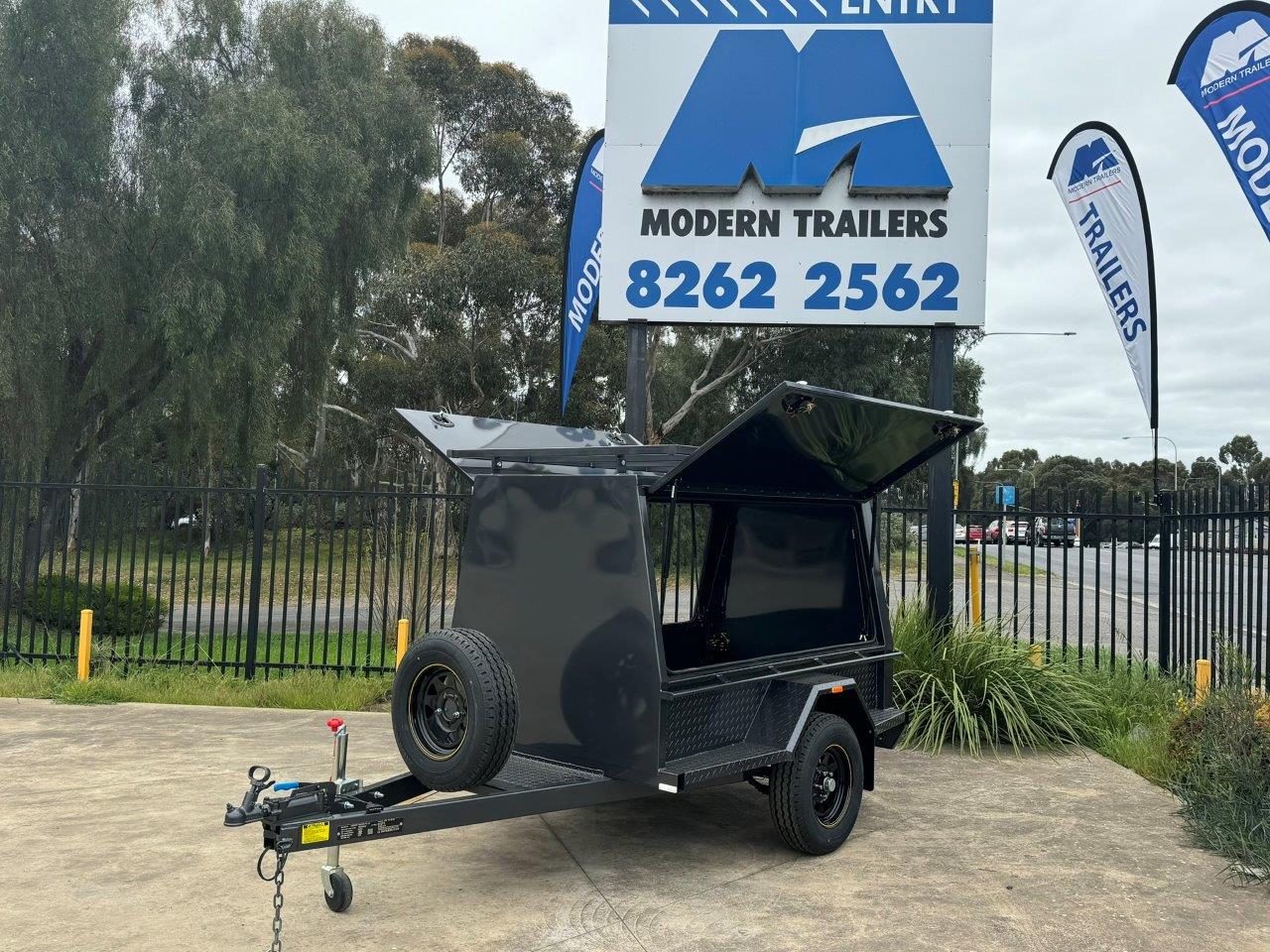
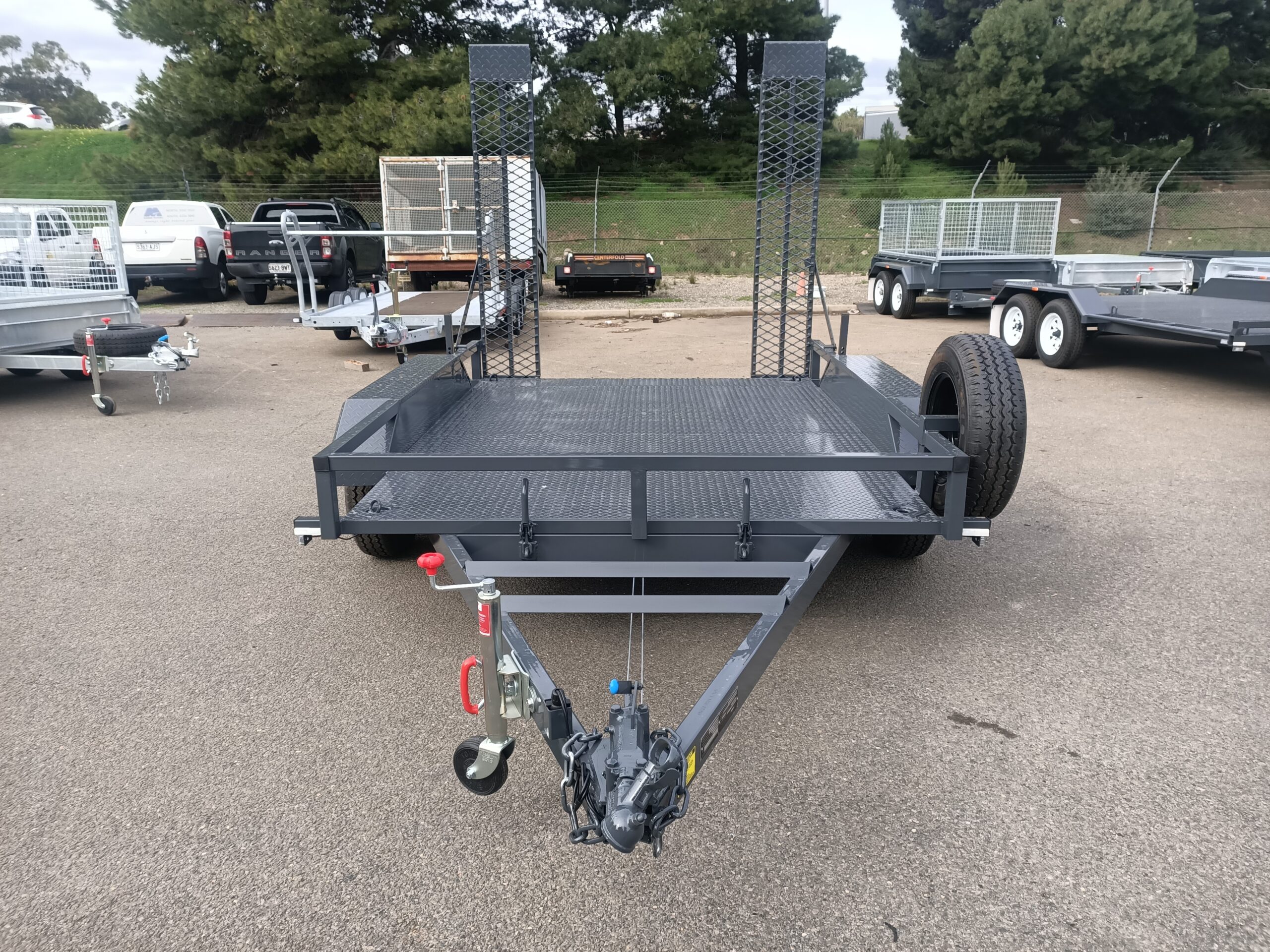
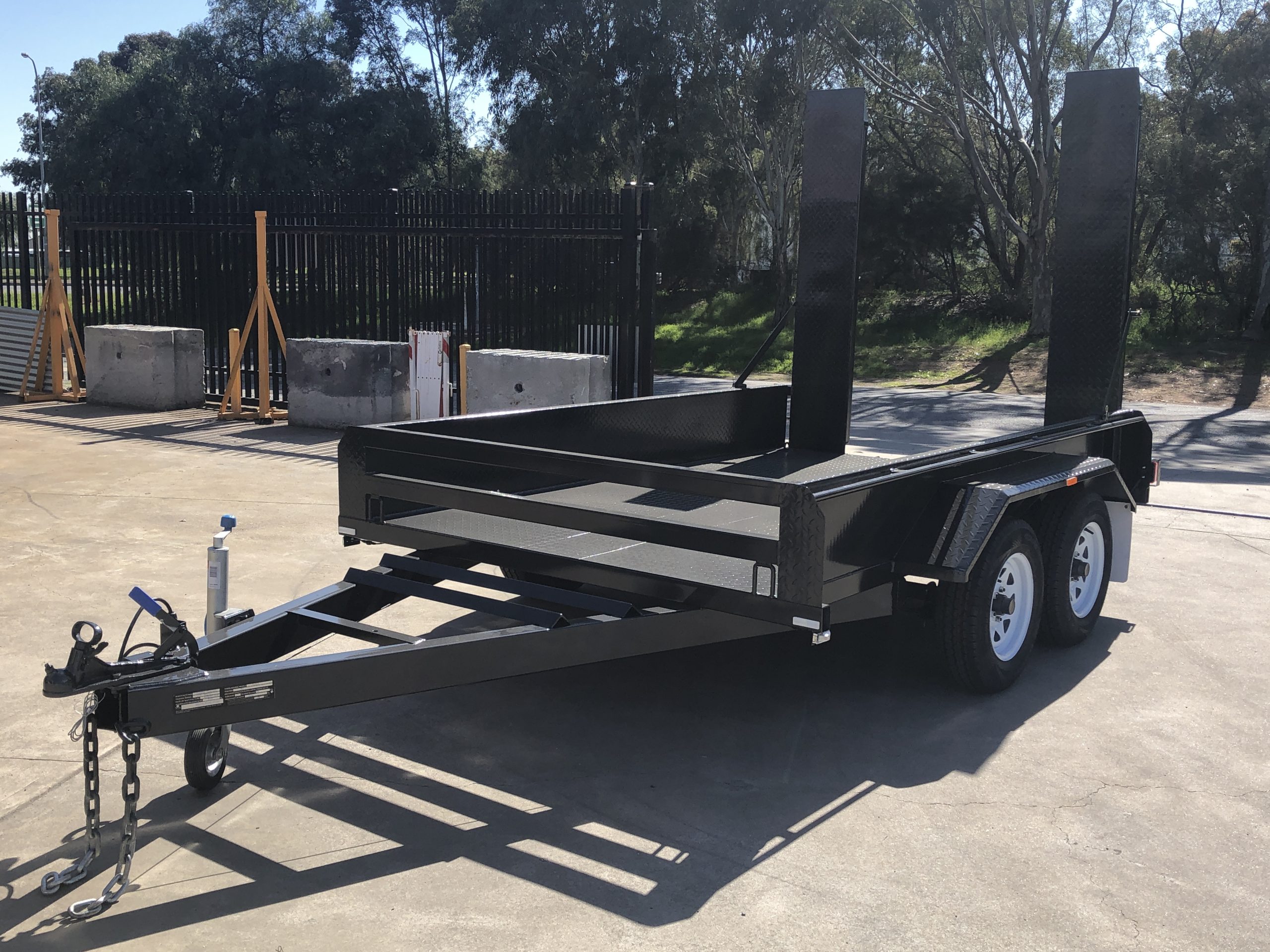
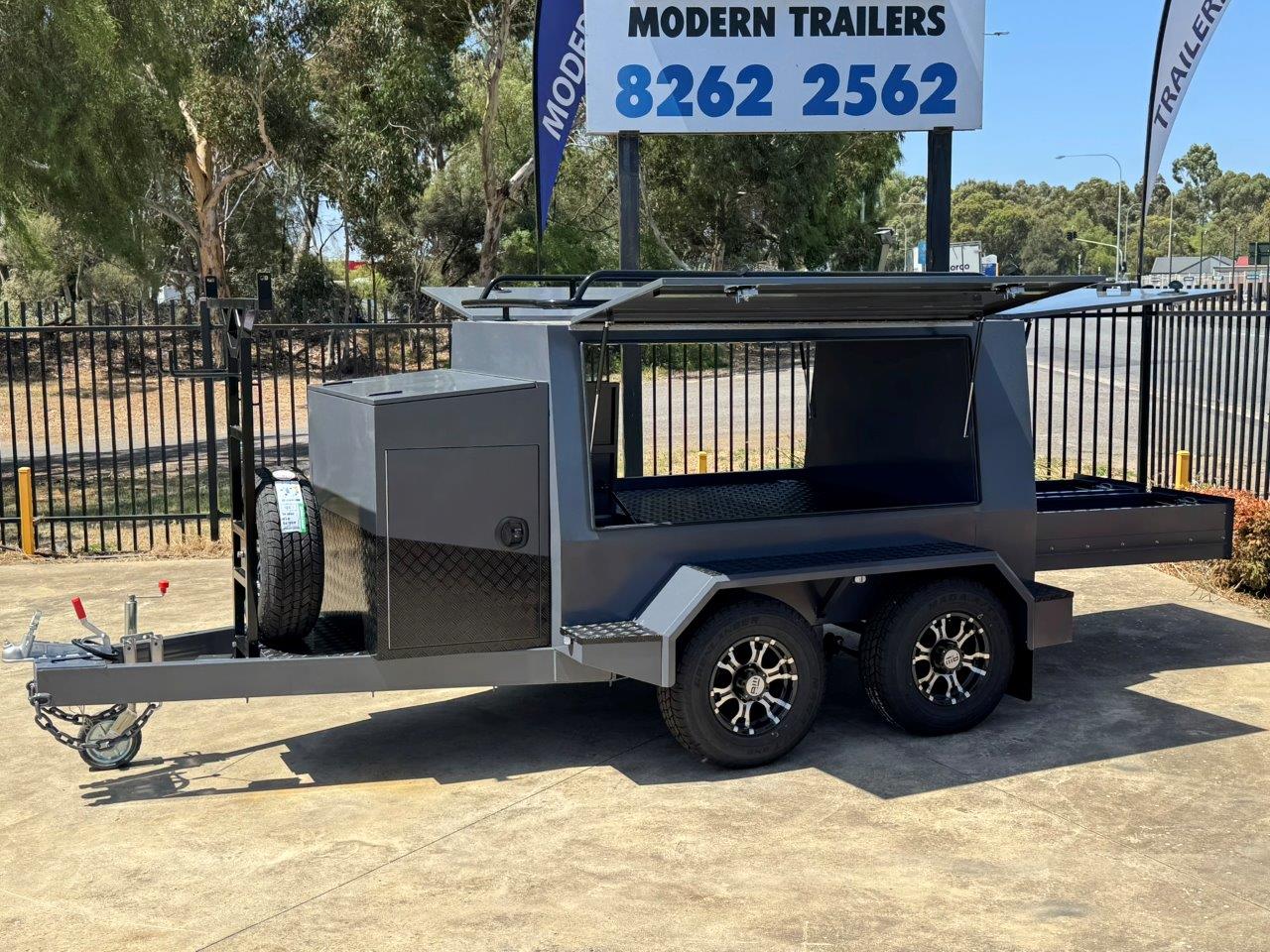
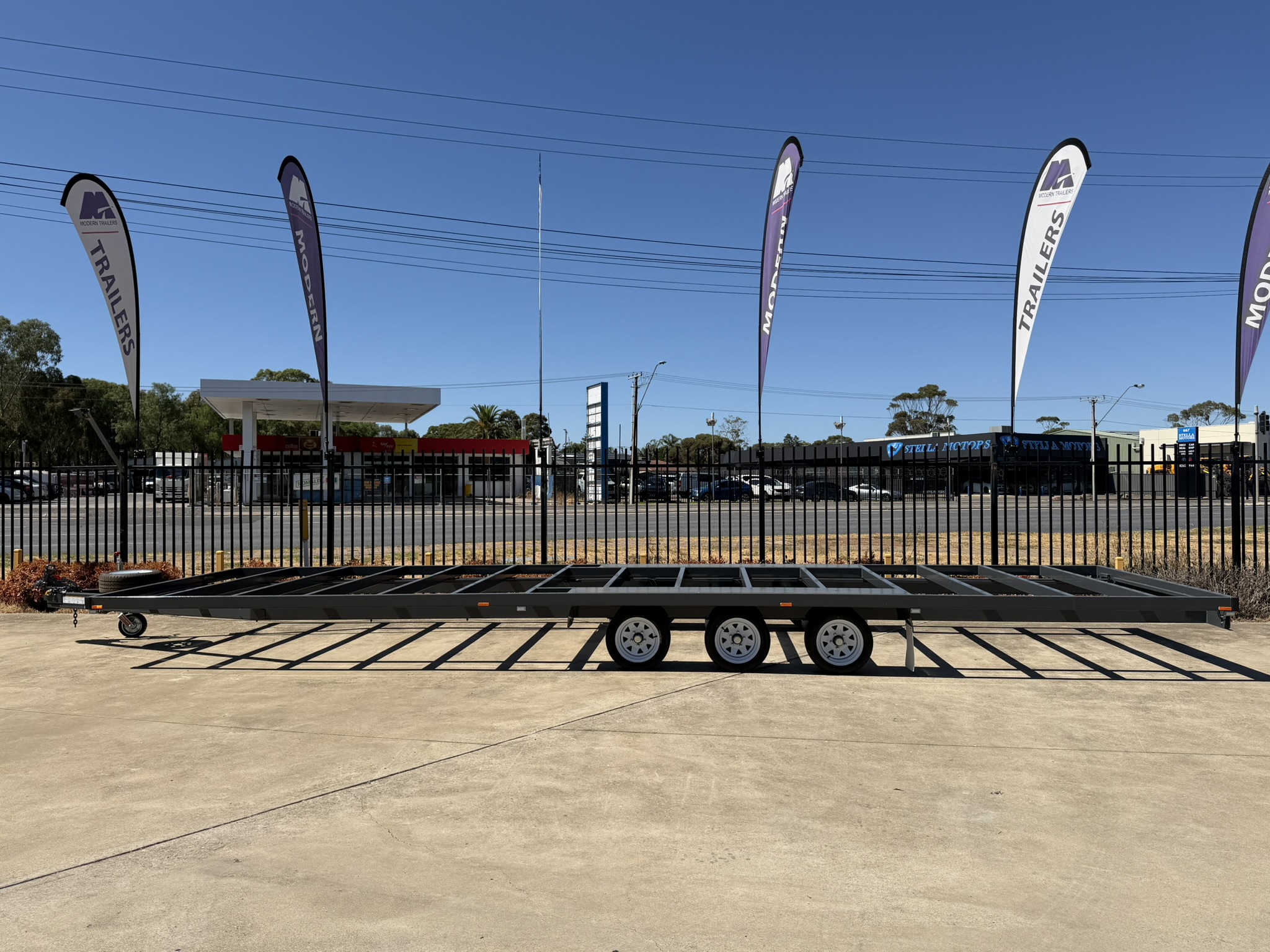
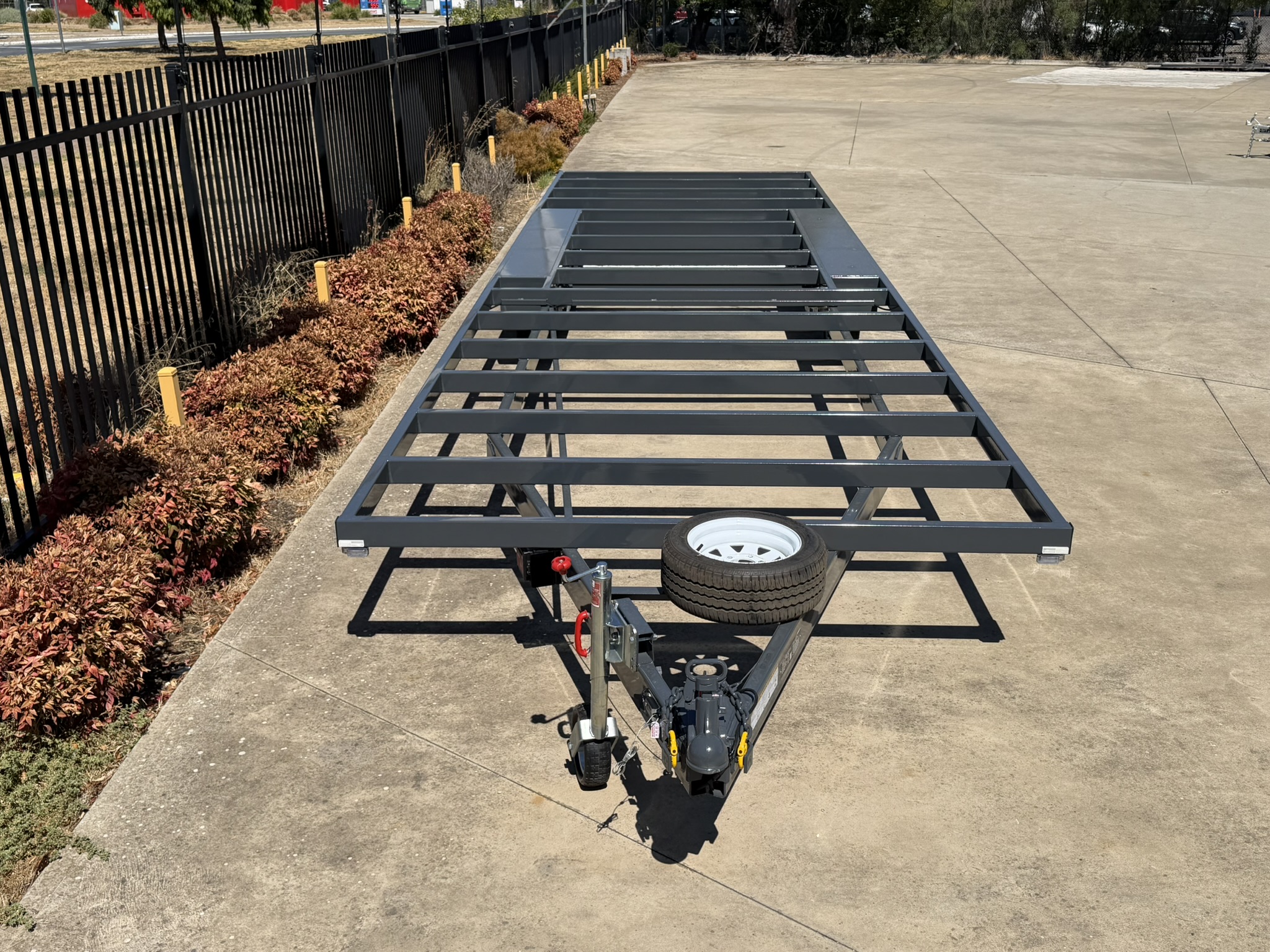
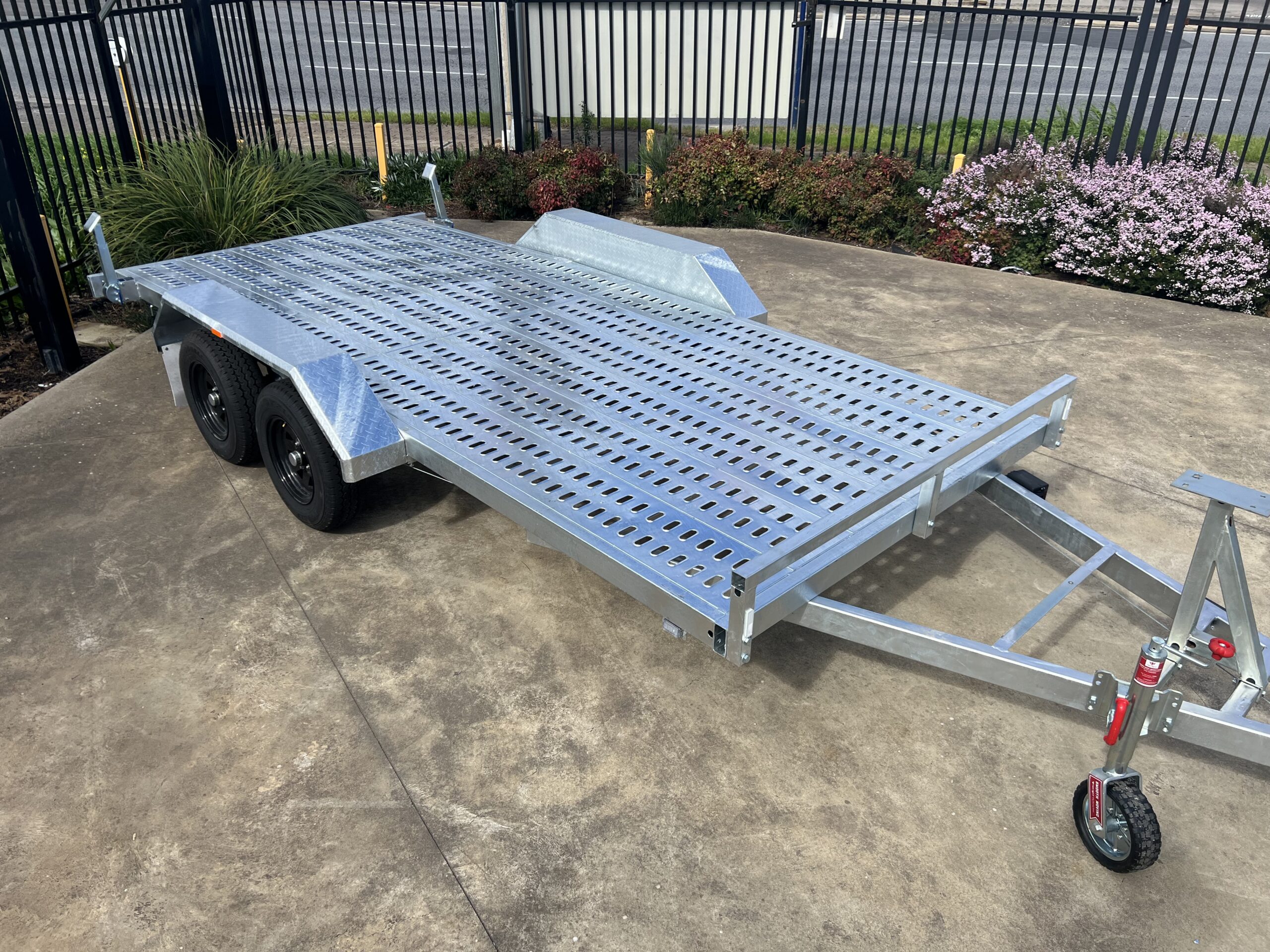
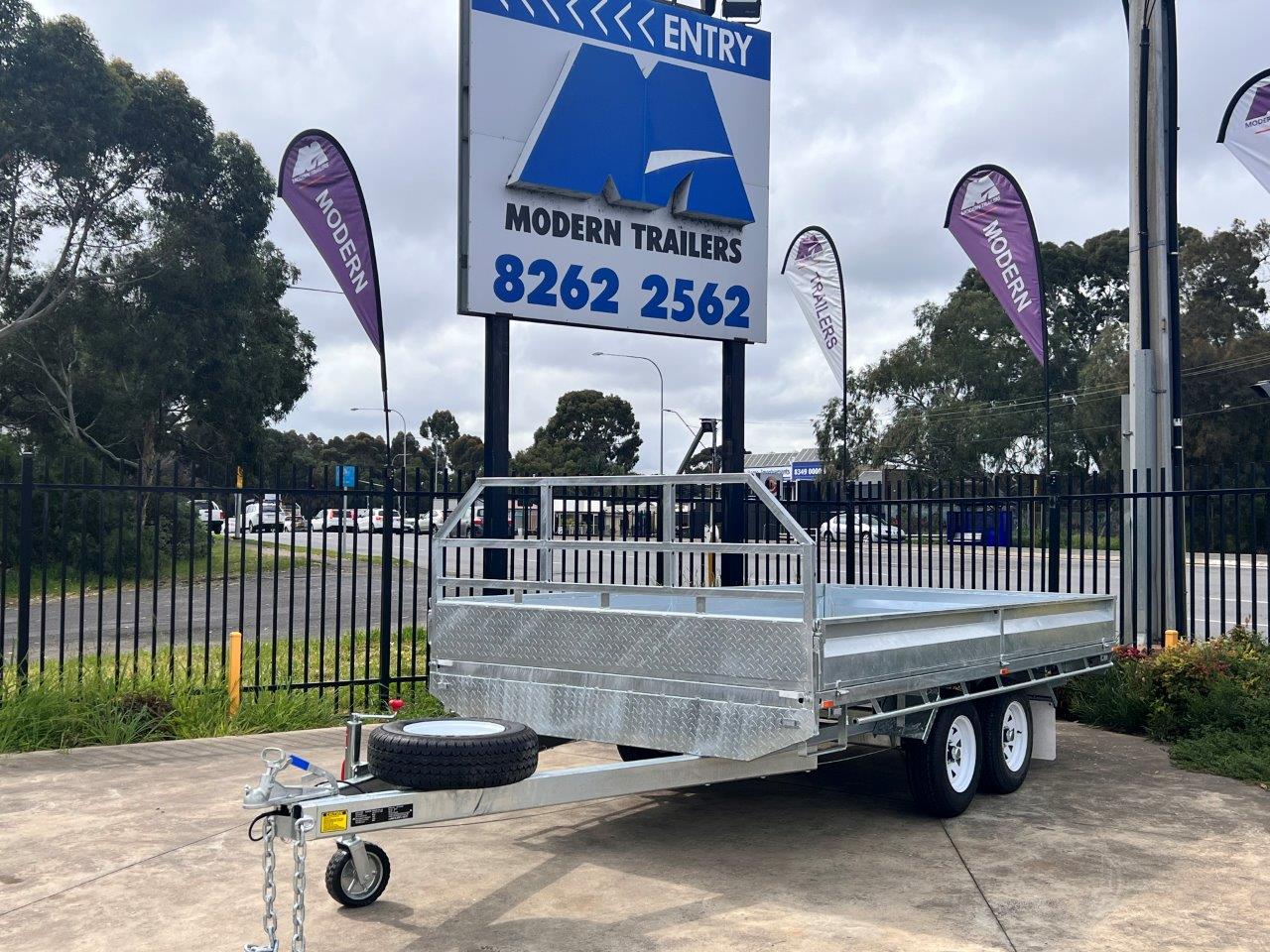
The purpose of your trailer will largely dictate the size you need. If you are looking to move large furniture or household items, a utility trailer might be the best choice. If you are in construction and need to transport heavy machinery, a flatbed trailer is ideal. For business owners transporting goods, an enclosed cargo trailer will protect items from the elements. Think about the dimensions of the objects you plan to haul and match those to the right trailer size.
Before deciding on a trailer size, always check your towing vehicle’s capacity. Overloading your vehicle can lead to significant wear and tear, decreased fuel efficiency, and dangerous driving conditions. If you have a mid-size SUV or truck, you might be limited to smaller trailers, whereas heavy-duty trucks can manage larger models.
Modern Trailers has a variety of trailers compatible with different towing capacities. It is crucial to check your vehicle’s owner’s manual for the maximum towing weight and ensure the trailer you choose falls within those limits.
Weight is a crucial factor in choosing the right trailer size. Each trailer has a maximum load capacity, and exceeding it can be dangerous and illegal. Consider the overall weight of what you are hauling. Also, figure out how the load will be distributed. Overloading a trailer can affect your vehicle’s braking ability and control.
When determining the right trailer size, also think about the dimensions of your load. Some items might be lightweight but bulky, necessitating a longer or taller trailer. For instance, hauling a lawnmower might require a lower trailer, while transporting large pieces of furniture might require a taller, enclosed cargo trailer.
The type of roads you will be travelling on should also influence your trailer size decision. Narrow, winding roads may be harder to navigate with a larger trailer. On the other hand, if you are mostly driving on highways, you might prefer a larger trailer for fewer trips. Consider the conditions you will face most often and choose accordingly.
How often you plan to use your trailer also plays a role in choosing the right trailer size. If you need it for occasional weekend projects, a smaller, lightweight trailer might suffice. If you use the trailer for your business daily, investing in a larger, more durable option is worth considering.
Budget is another critical factor when selecting a trailer. Larger trailers typically cost more, but they may be a more efficient option if you have significant hauling needs. On the flip side, if you are only using the trailer occasionally, you might be able to save by opting for a smaller size. Modern Trailers offers a range of sizes and prices, ensuring there is something for every budget.
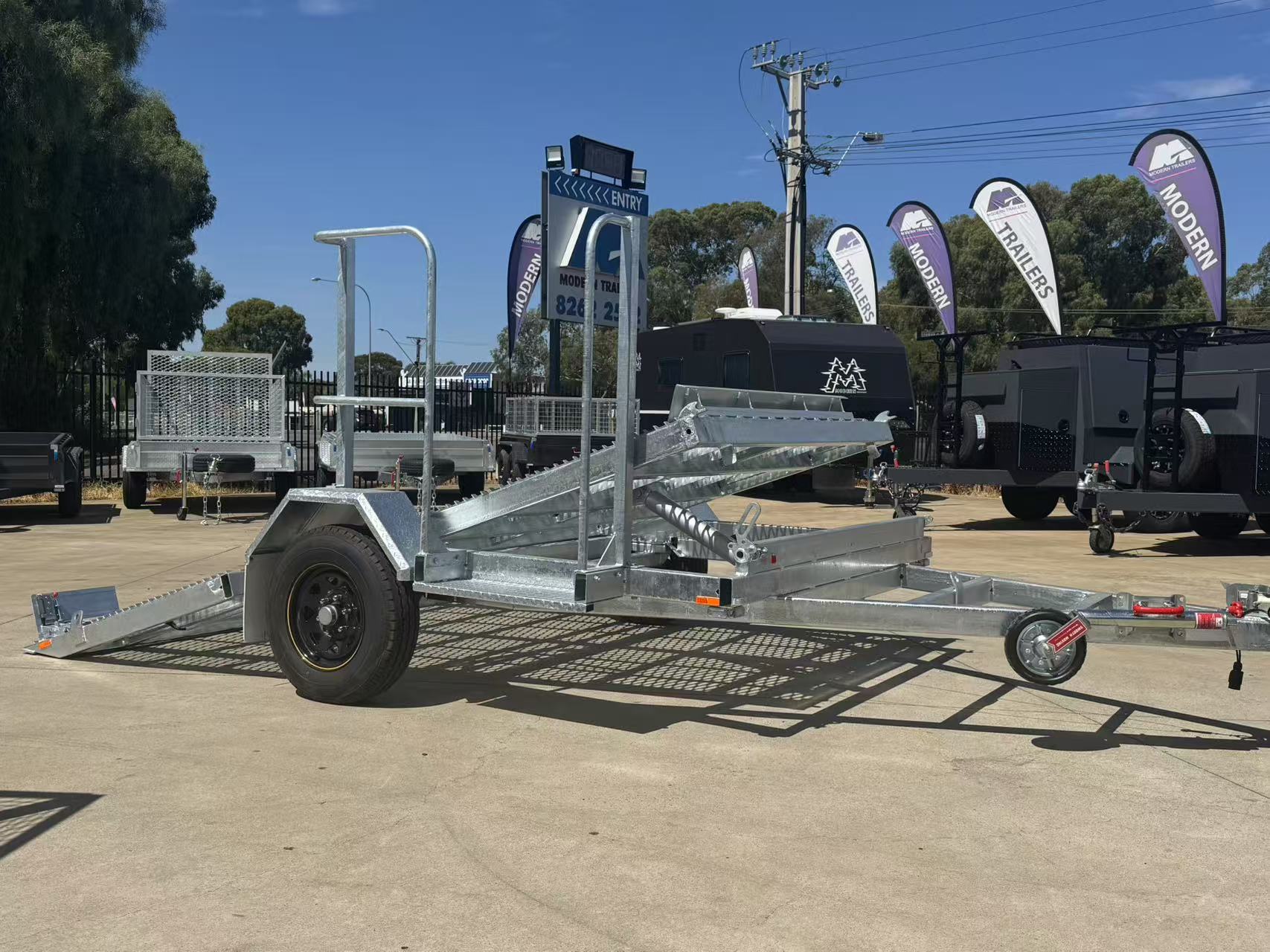
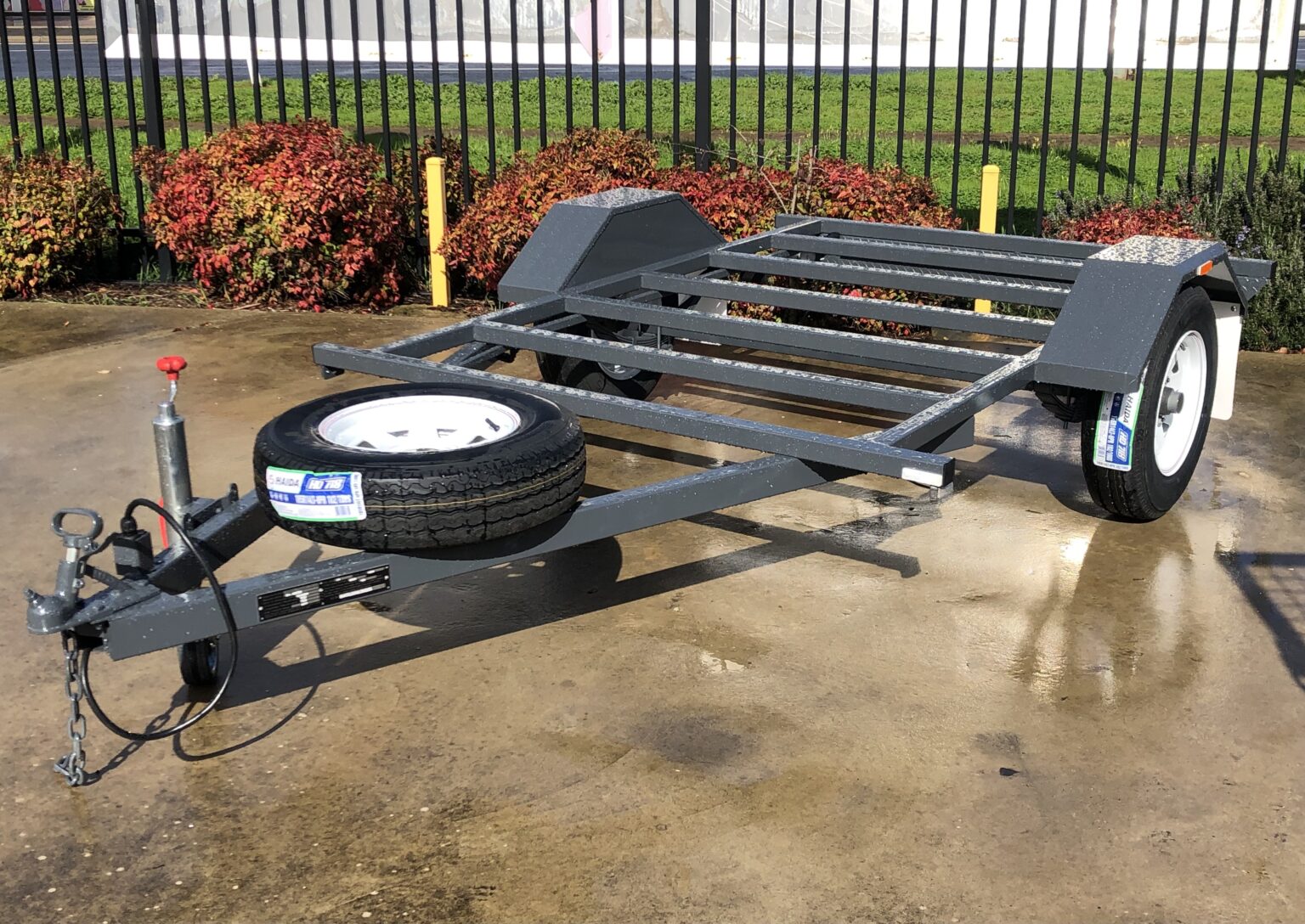
Need something for the garden? A custom mower trailer carries lawnmowers, especially the ride-on type. They make loading and moving around your mower a breeze. Calculate the size of your mower, think about where you’ll use it, and choose a trailer that fits like a glove.
Ride-on mower trailers are all about making transport safe and simple. They come with ramps for easy loading and straps to keep everything secure on the move. Ensure your trailer fits your mower and has all the right features to keep your gear safe.
Always check how much your vehicle can tow and understand the rules for trailers in your area—things like registration requirements and weight limits. Keeping within the law means no surprises on the road.
Today’s trailers are smarter. They come equipped with tech that makes towing safer and hassle-free. Features like advanced braking systems and built-in stability controls help keep you safe on the road, irrespective of weather or traffic.
A little upkeep goes a long way. Maintaining your trailer isn’t just about extending its lifespan—it’s about ensuring safety, reliability, and readiness for the road ahead. Here are five key points to keep in mind:
Absolutely! You can get a trailer made to fit what you need, from size to special add-ons like extra ramps or storage compartments.
Think about what you will carry, how heavy it is, and how often you will use the trailer. It is about finding a balance that suits your lifestyle.
Yes. Our trailers meet all Australian safety standards. You know you are towing safely and legally.