Trailer brakes are essential for safe towing, but many people ask, how do trailer brakes work and why are they so important for road safety? Understanding your braking system improves vehicle control, reduces stopping distances and helps prevent accidents while you are on the road. Whether you tow occasionally or regularly, knowing how your trailer’s braking system works is essential. Proper use and maintenance of trailer brakes protect both your vehicle and load on the road.
There are various types of trailer brakes available, with each design suited to specific towing needs and trailer sizes. Each type has specific features that suit various trailer sizes and towing requirements. Choosing the right system enhances towing safety and ensures smooth handling during trips.
There are two main types of trailer brakes: electric and surge (or hydraulic) brakes.
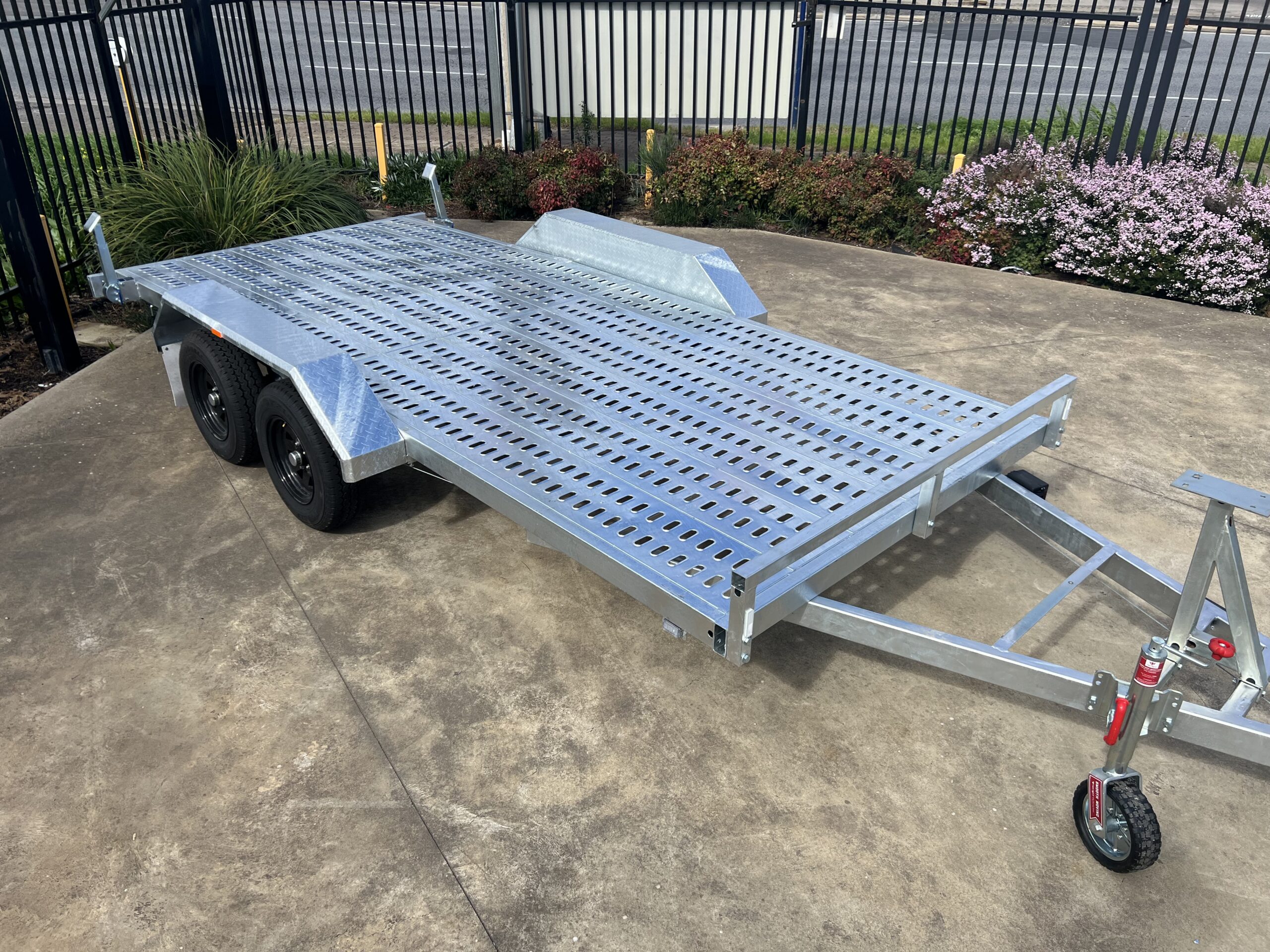
Electric trailer brakes use an electric signal from the towing vehicle. They engage the trailer brakes proportionally when the tow vehicle slows down. These brakes provide precise control and are ideal for a wide range of trailer sizes. Electric brakes are popular for utility trailers, car carriers and smaller enclosed trailers.
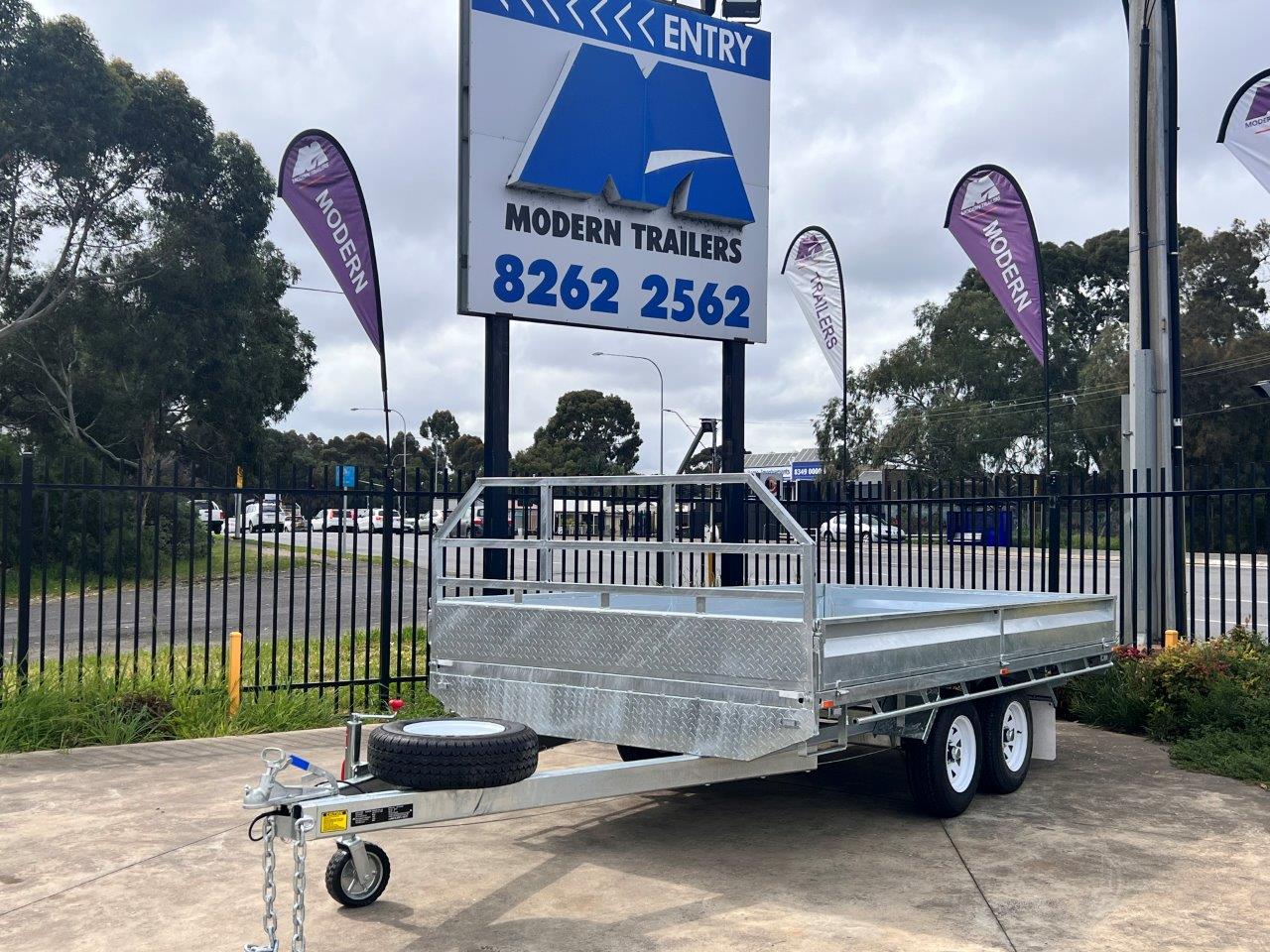
Surge brakes activate through hydraulic pressure when the trailer pushes against the tow vehicle during braking. These brakes are self-contained and do not rely on the vehicle’s electrical system. They are common in medium to heavy trailers. Surge brakes are often found in tipper trailers, plant and equipment trailers and larger car transport trailers.
Trailer brakes work by transferring braking force to the trailer wheels. When the tow vehicle slows down, the brakes engage automatically or via the brake controller. This action reduces the risk of trailer sway and improves overall towing stability.
Electric brakes utilise a brake controller located in the vehicle’s cab. The controller regulates voltage to the trailer brakes. Adjusting the controller ensures smooth braking without jerking. Proper calibration also reduces wear on the trailer and tow vehicle.
Surge brakes compress hydraulic fluid in the trailer cylinder when the trailer pushes forward. This pressure applies the brake shoes to the wheels, slowing the trailer efficiently. Surge brakes operate without external power, making them reliable in off-road and remote towing situations.
Trailer brakes reduce stopping distances significantly, especially for heavier trailers. They protect both the tow vehicle and the trailer load. Using trailer brakes correctly prevents accidents, tyre wear and mechanical damage.
Trailer brakes also help maintain control when towing over long distances or downhill slopes. Without brakes, trailers can push the towing vehicle, causing sway, jack-knifing, or loss of control. For vehicles towing car trailers, tiny house trailers, or tipper trailers, brakes are essential for both safety and compliance.
Regularly checking and maintaining trailer brakes is essential. Ignoring maintenance can lead to uneven braking, sway, or even brake failure. Proper upkeep ensures reliable performance every time you tow and extends the life of your trailer.
Maintaining trailer brakes enhances safety and prolongs their life. Key maintenance tasks include:
Performing these tasks before long trips or regularly during heavy use keeps your trailer brakes functioning optimally. Routine maintenance is especially important for off-road trailers, enclosed trailers, and plant equipment trailers.
Several issues can affect trailer brakes if not properly maintained. Common problems include:
Identifying and fixing these issues early prevents accidents, costly repairs, and towing delays. Modern Trailers provides trailers designed to minimise brake issues through quality construction and materials.
Maintaining a reliable braking setup involves more than just checking the pads. The hardware within the system plays a huge role in ensuring your trailer reacts instantly when you hit the brakes. High-quality components from Modern Trailers help minimise common issues such as uneven braking or cable stretch, which often lead to dangerous trailer sway.
Selecting the right parts ensures your system remains responsive under heavy loads:
These parts work together to improve overall towing safety by reducing mechanical lag. By choosing durable components from Modern Trailers range, you ensure your braking system stays effective and reliable during long-distance travel. Proper part selection is the best way to prevent technical failures.
Using trailer brakes correctly improves control and safety:
Following these tips helps drivers maintain control and ensure both the vehicle and trailer arrive safely. Trailer brakes, combined with correct loading and driving techniques, make towing safer for everyone on the road.
Trailer brakes are vital for controlling trailer weight, enhancing stability and preventing accidents. Understanding how trailer brakes work and performing regular maintenance ensures safer towing.
Choosing a trailer with reliable, well-maintained brakes provides peace of mind. With proper care, your trailer will perform safely and efficiently for years, safeguarding your vehicle, cargo and everyone around you.
Trailer brakes slow your load by applying friction to the trailer wheels when the tow vehicle decelerates. This is triggered either by an electrical signal from the car or by the physical force of the trailer pushing against the hitch, ensuring both vehicles stop safely together.
The most common types are electric brakes, mechanical override and hydraulic override brakes. Electric brakes use a vehicle controller to manage stopping power, while override rely on a mechanical coupling that activates when the trailer moves forward against the towing vehicle during braking.
Electric brakes offer more control as you can adjust the braking intensity from the dashboard. However, mechanical and hydraulic brakes are often preferred for boat trailers because they do not rely on electrical components that could be damaged by saltwater or frequent submersion.
A brake controller sits inside the cab and sends a specific amount of power to the trailer magnets when you hit the brake pedal. You can manually adjust the settings to ensure the trailer slows down smoothly without jerking or pulling on the car.
For heavy trailers, electric systems are usually best because they allow for precise adjustment. These systems ensure the trailer provides enough stopping force to manage its own weight, which reduces the strain on the tow vehicle brakes.