Buying a car carrier is an important investment, whether you’re transporting vehicles for personal use or running a professional hauling business. Choosing the wrong carrier or overlooking key factors can lead to safety risks, unnecessary expenses, and frustration on the road. Understanding common mistakes helps you make an informed decision and ensures your carrier performs reliably for years.
Even experienced buyers sometimes overlook essential details. By knowing what to avoid, you can simplify your purchase process, select the right car carrier for your needs, and improve safety during transport.
One of the most common mistakes when buying a car carrier is not considering the weight capacity. Every car carrier has a Gross Vehicle Mass (GVM) or payload rating, which indicates how much weight it can safely carry. Overloading a carrier can damage its frame, suspension, and tyres, while also increasing the risk of accidents.
Before purchasing, calculate the combined weight of the vehicles you intend to transport. Remember to include any additional equipment, ramps, or accessories. Always choose a carrier with a weight rating slightly higher than your maximum load for added safety and longevity.
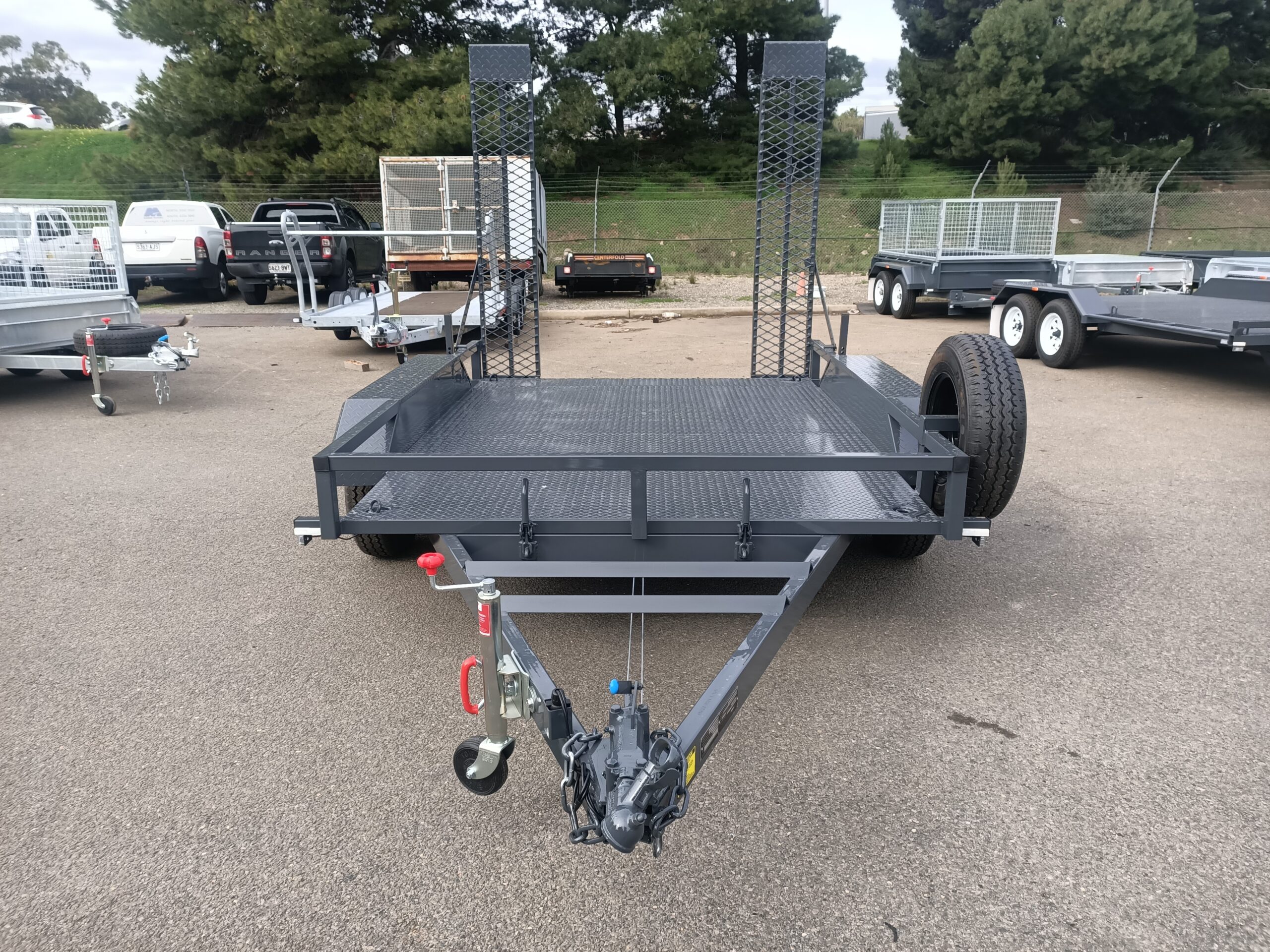
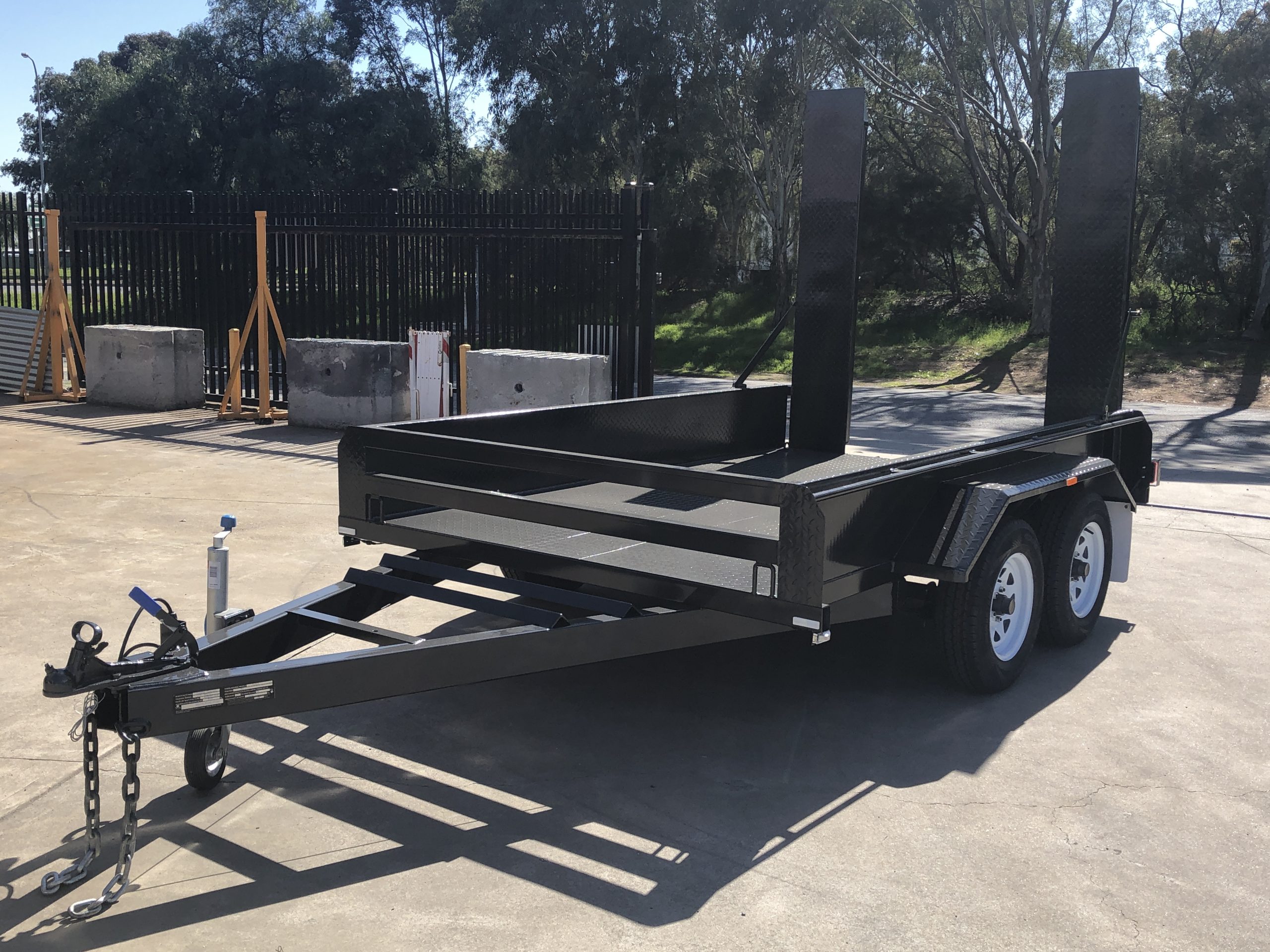
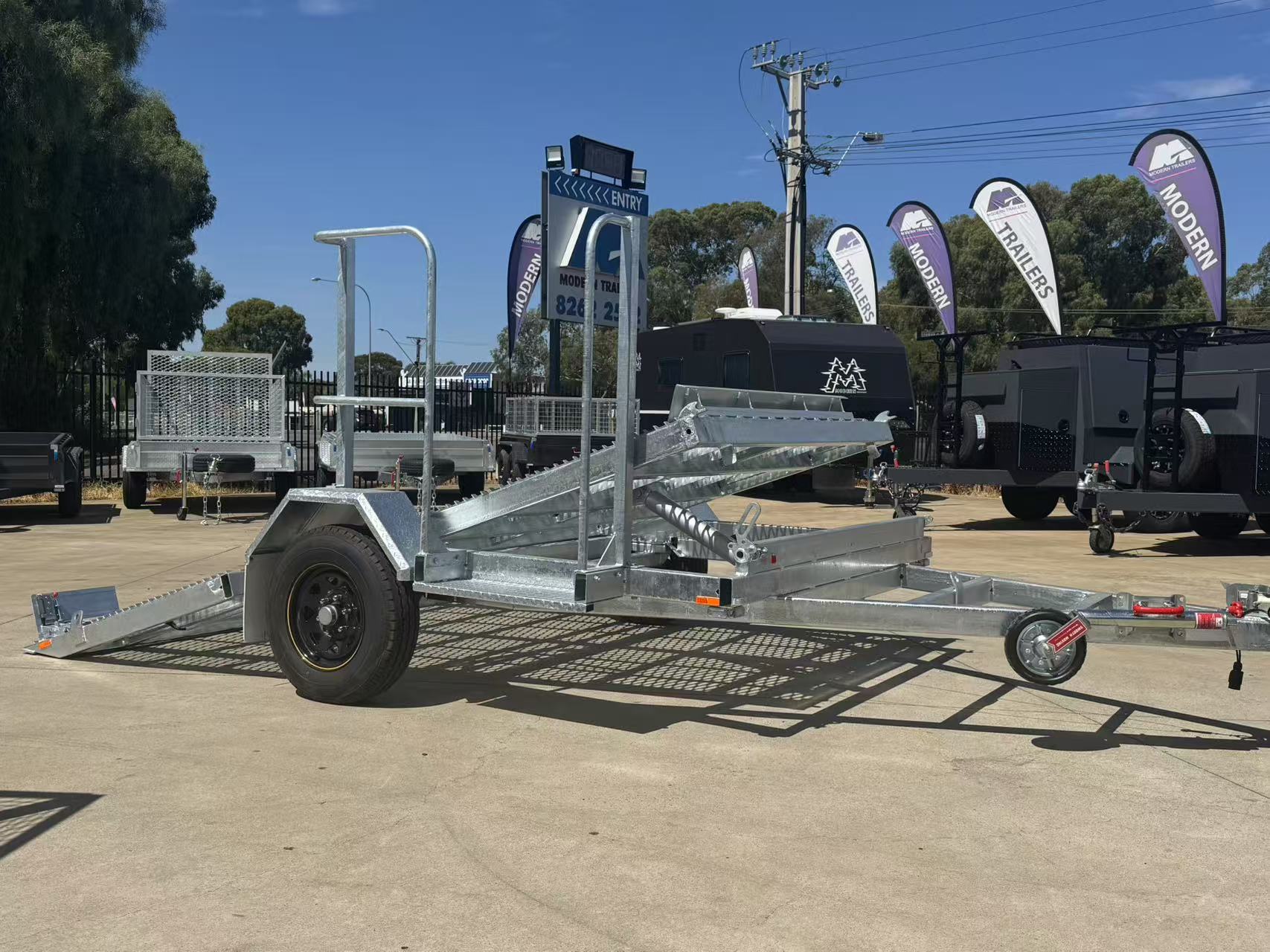
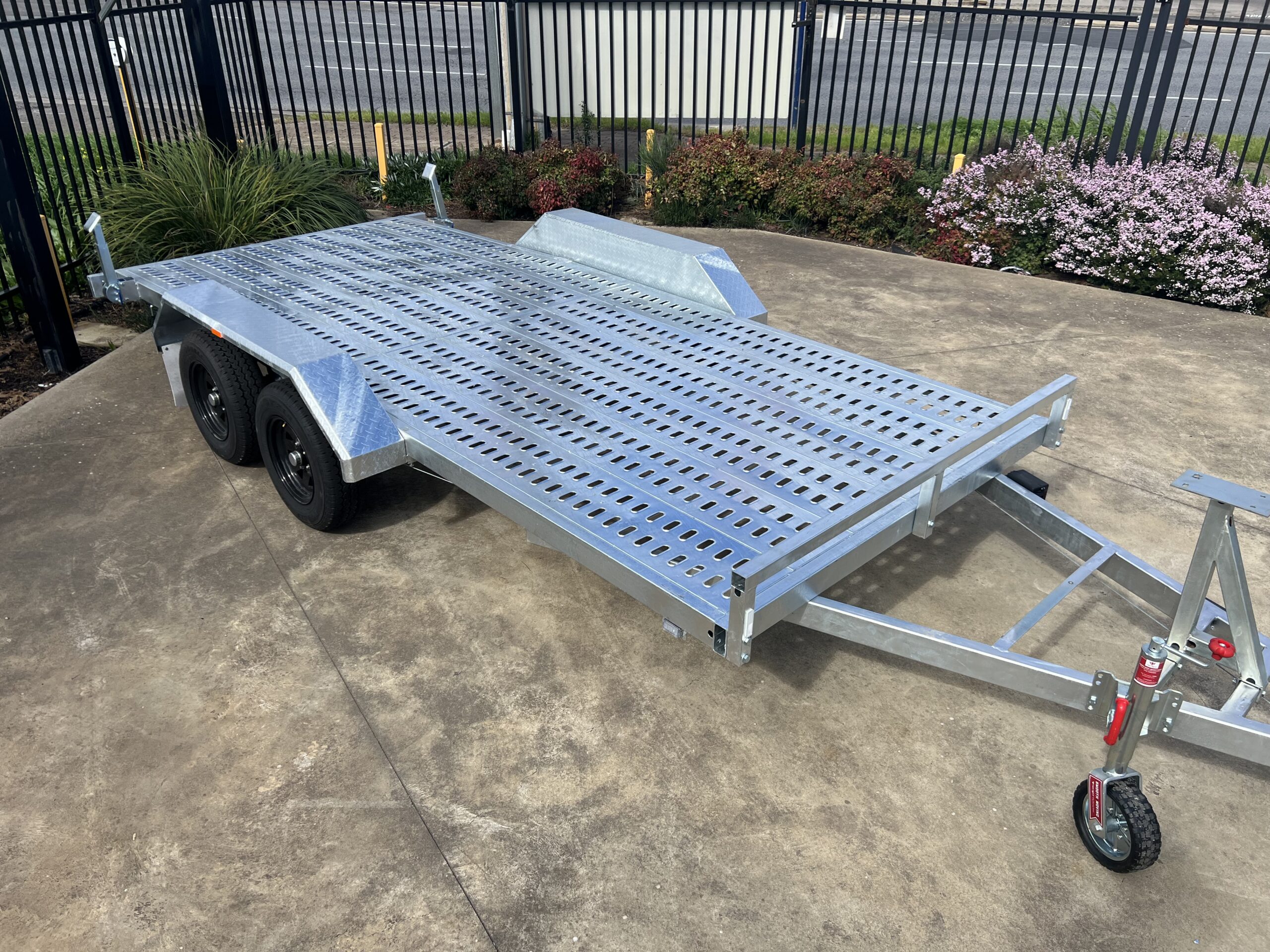
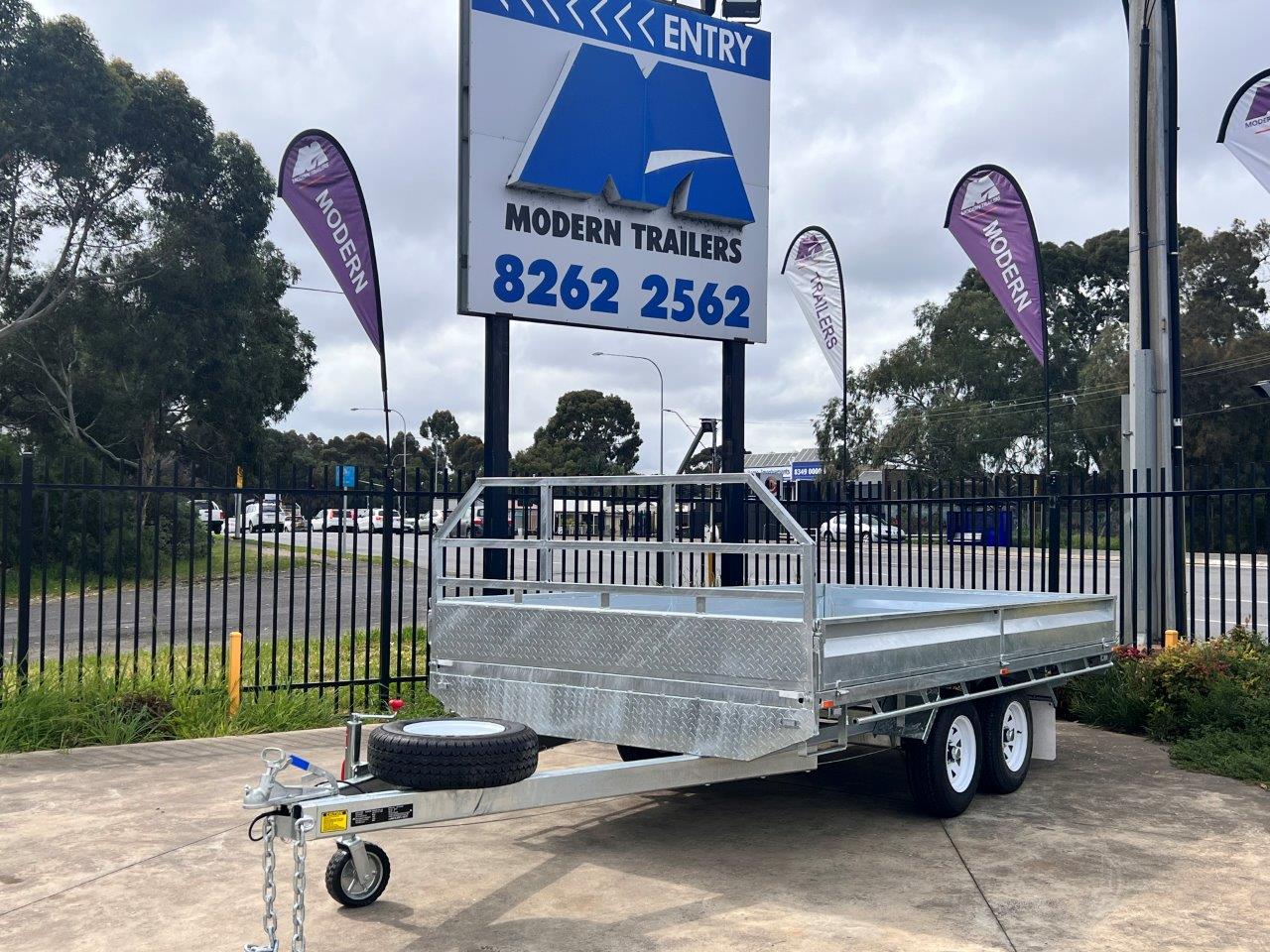
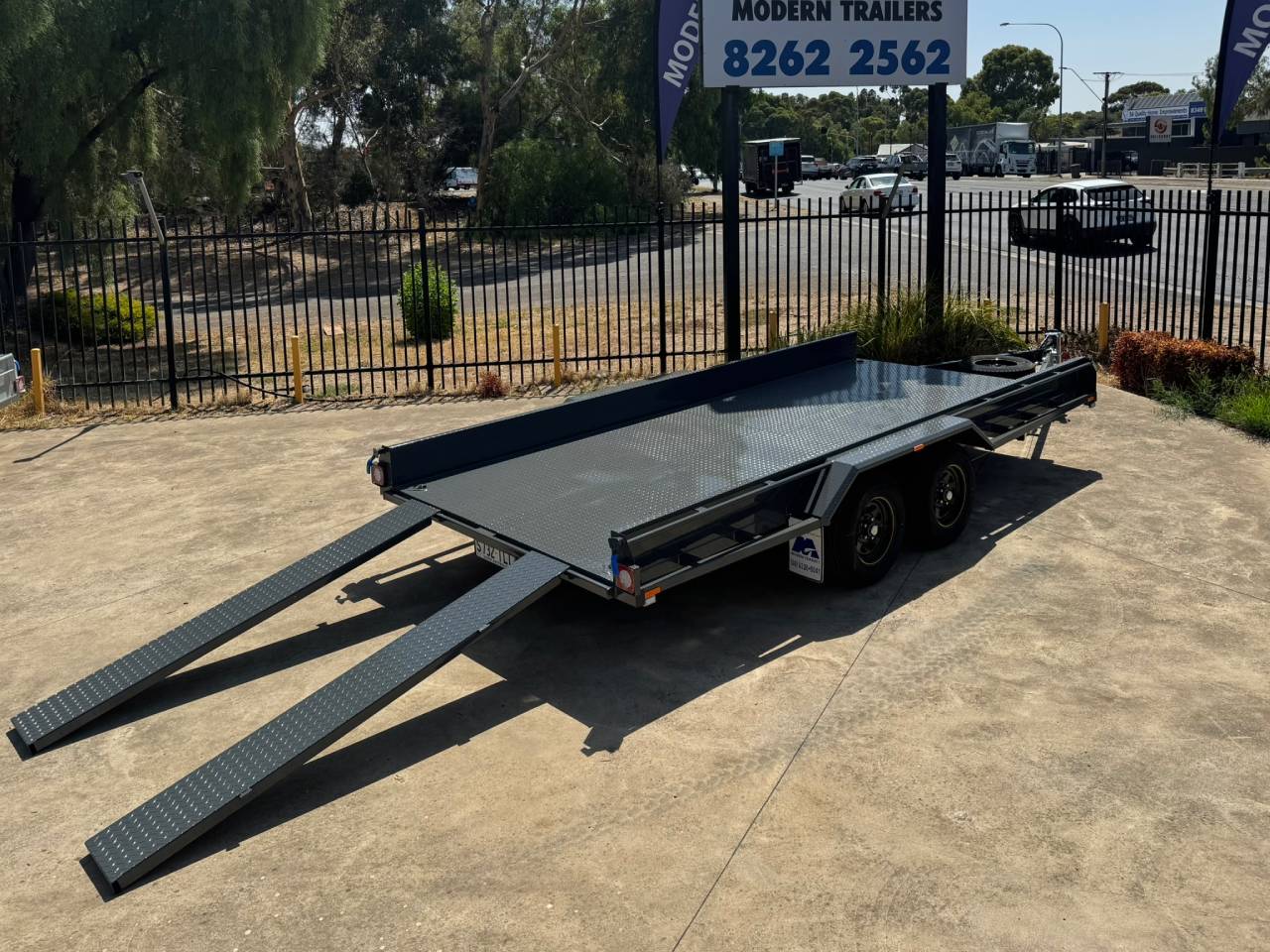
Car carriers come in different types, including flatbed trailers, tilt trailers, and enclosed carriers. Each has its own advantages depending on your transport needs.
A common mistake is choosing a carrier without considering how you will load and unload vehicles or whether the design suits your environment. Assess your storage space, ramp requirements, and vehicle sizes to select the right type.
Buying a car carrier also involves understanding the regulations for towing and transporting vehicles. Different states have specific requirements for dimensions, weight, lighting, and brakes. Ignoring these rules can lead to fines, insurance complications, or unsafe towing conditions.
Ensure your chosen carrier complies with Australian Design Rules (ADR) and other relevant regulations. If your carrier requires brakes or safety chains, confirm these are properly rated and installed. Checking legal compliance before purchase prevents headaches down the track.
Trailer axles and suspension systems play a crucial role in stability and handling. A common mistake is buying a car carrier with inadequate axles or suspension for your load. Under-rated axles can bend or fail, and poor suspension affects ride quality, increasing sway or tyre wear.
When buying a car carrier, inspect the axle specifications, wheel size, and suspension type.
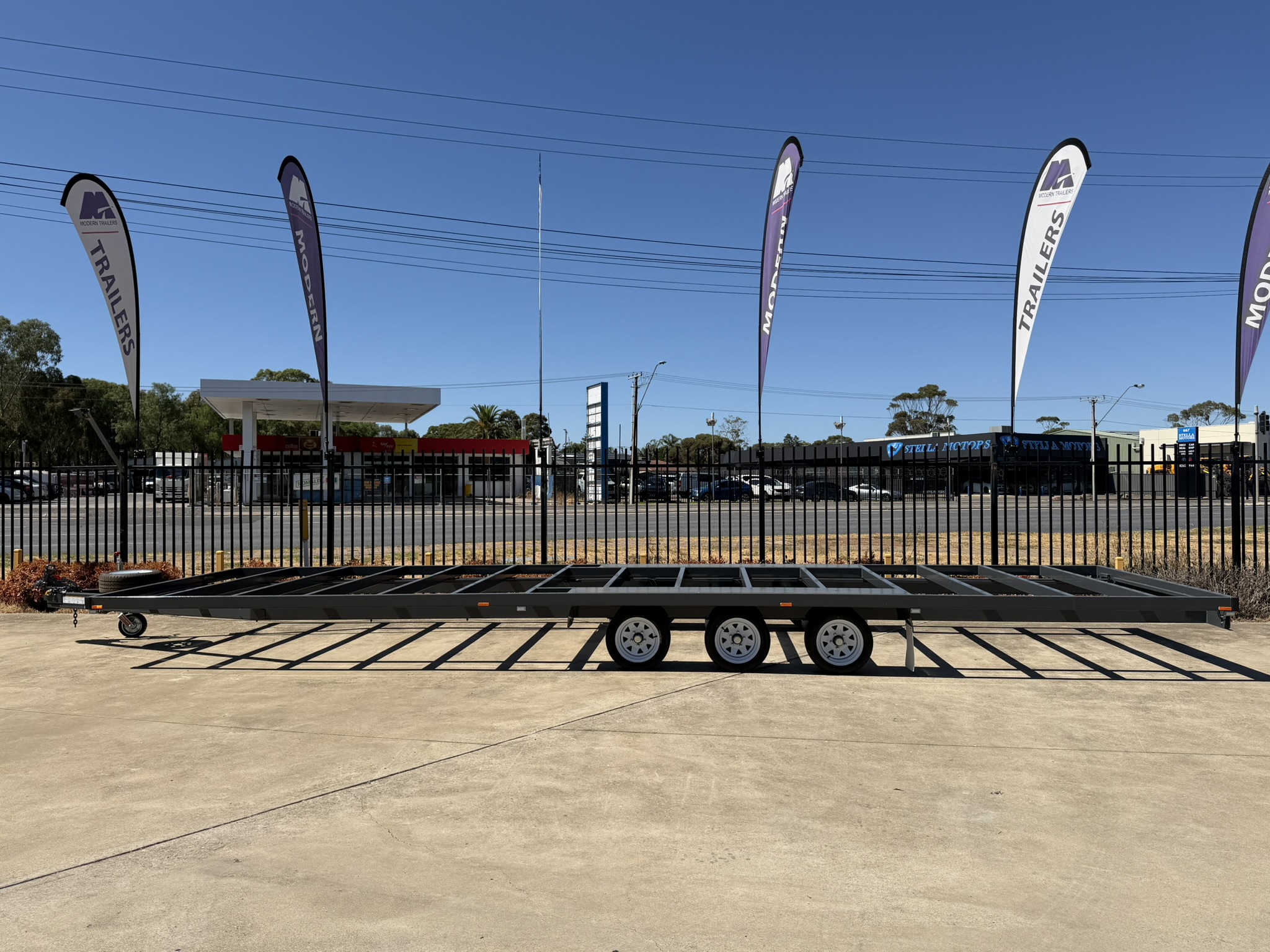
Multi-axle carriers distribute weight better and provide smoother towing, particularly for heavier vehicles.
Another frequent error is not thoroughly inspecting the carrier before purchase. Even new carriers may have manufacturing defects, loose fittings, or rust. Skipping inspections can result in costly repairs or unsafe conditions later.
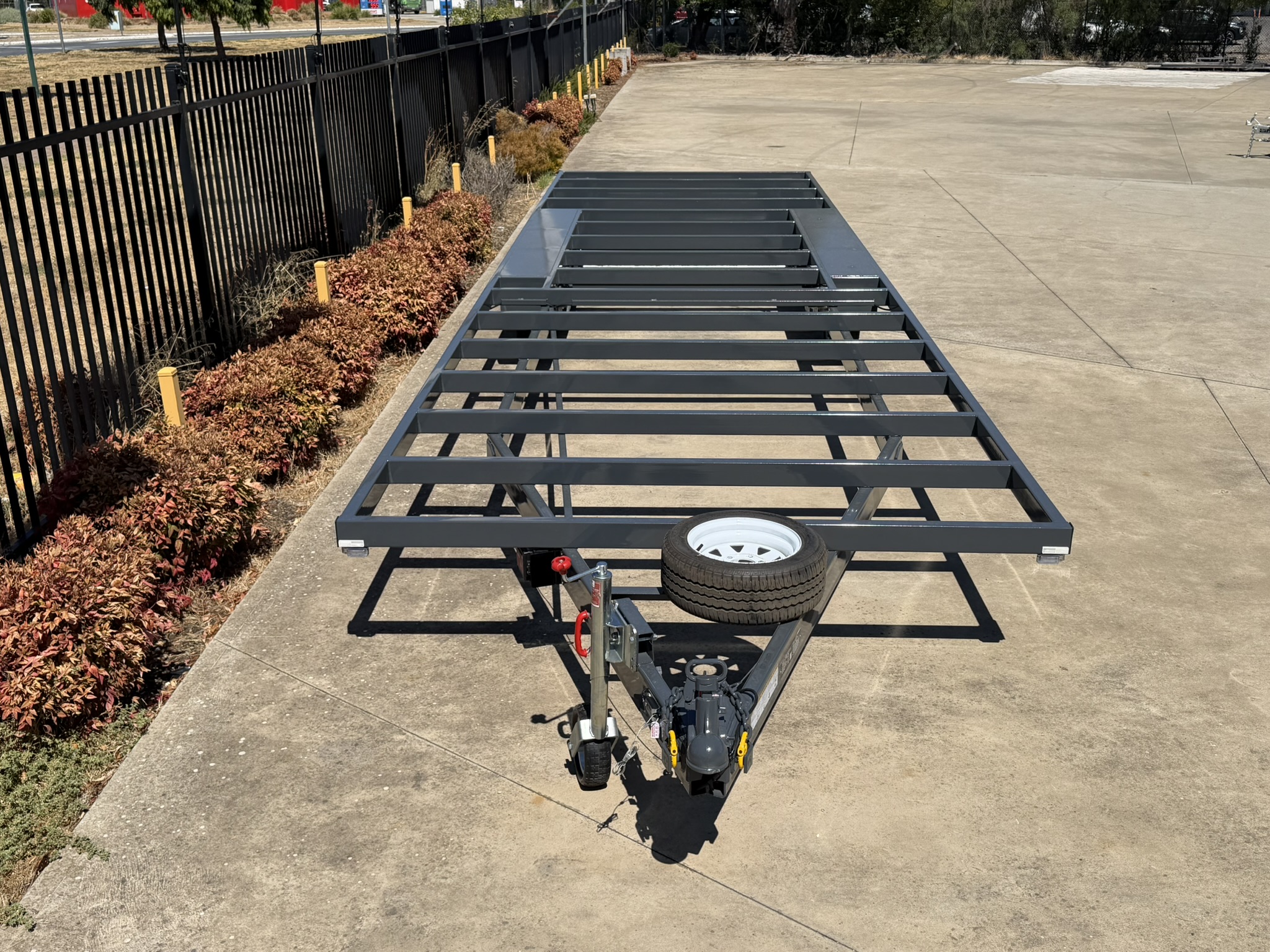
Check the trailer frame, couplings, tyres, lights, brakes and ramps. Ensure all bolts are tightened, the hitch is compatible with your tow vehicle, and moving parts operate smoothly. A careful inspection helps avoid surprises and ensures your investment lasts.
Some buyers underestimate the maintenance required for a car carrier. Tyres, wheel bearings, brake systems, and lubricated parts need regular attention to function safely. Neglecting these aspects can shorten the trailer’s lifespan and compromise safety.
Ask about recommended maintenance schedules when buying a car carrier, and ensure you have the tools and knowledge to perform basic upkeep. This proactive approach prevents breakdowns and maintains reliable performance.
Even the best car carrier is useless if your vehicle cannot tow it safely. Many buyers make the mistake of selecting a carrier without considering their vehicle’s towing capacity. Overloading your tow vehicle can lead to overheating, brake failure, or serious accidents.
Verify your vehicle’s towing limits, including Gross Trailer Mass (GTM) and Gross Combination Mass (GCM), before selecting a carrier. Match the trailer’s coupling, hitch type and weight with your vehicle specifications for safe towing.
How you plan to load and unload vehicles can significantly impact safety and convenience.
Relying on steep ramps, uneven surfaces, or inadequate ground clearance is a common mistake.
Buying a car carrier requires careful consideration to avoid costly mistakes and ensure safe, reliable transport. From weight capacity and trailer type to legal compliance, axle strength, and maintenance, every factor plays a role in your overall towing experience.
By avoiding common errors such as overloading, neglecting inspections, or ignoring vehicle compatibility, you can select a carrier that meets your needs and performs safely for years. For those looking for a reliable option, Modern Trailers offers high-quality car trailers designed to meet Australian safety standards, making it easier to transport vehicles securely and confidently.